


A hard lump under the skin on the face can be a source of concern for many. Whether it appears suddenly or develops over time, understanding the nature of these lumps is essential for effective management. They can arise from various causes, including cysts, lipomas, or even infections, each requiring a different approach.
While some lumps may be harmless, others could signal underlying health issues. It’s crucial to recognize accompanying symptoms and seek professional advice when necessary. By exploring the potential causes and treatment options, individuals can gain clarity and peace of mind regarding their skin health.
Understanding Hard Lump Under Skin On Face
A hard lump under the skin on the face can arise from various sources. Identifying the underlying cause enhances appropriate treatment and alleviates concerns.
Common Causes
- Cysts: These fluid-filled sacs can appear as hard lumps. Sebaceous cysts often form due to blocked sebaceous glands.
- Lipomas: Lipomas are benign tumors composed of fatty tissue. They typically manifest as soft, movable lumps under the skin.
- Infections: Bacterial or viral infections can lead to raised lumps, often accompanied by redness or tenderness.
- Dermatofibromas: These firm nodules form due to excess collagen and typically present a brownish hue.
- Keloids: Keloids are raised scars that occur after skin injury or inflammation. They can grow larger than the original wound.
- Tumors: Though rare, both benign and malignant tumors can develop as hard lumps and require medical evaluation.
Symptoms to Look For
- Pain or Tenderness: Lumps that are painful or tender might indicate infection or inflammation.
- Redness or Swelling: Accompanying redness or swelling around a lump often suggests infection.
- Change in Size: Lumps that increase in size or change in shape may require further investigation.
- Texture Changes: Hardness, mobility, or consistency changes in the lump can signal different underlying issues.
- Fever: A lump accompanied by fever could indicate infection and necessitates prompt medical attention.
- Discharge: Any fluid drainage from the lump requires evaluation to determine the cause.
Diagnosis of Hard Lump Under Skin On Face
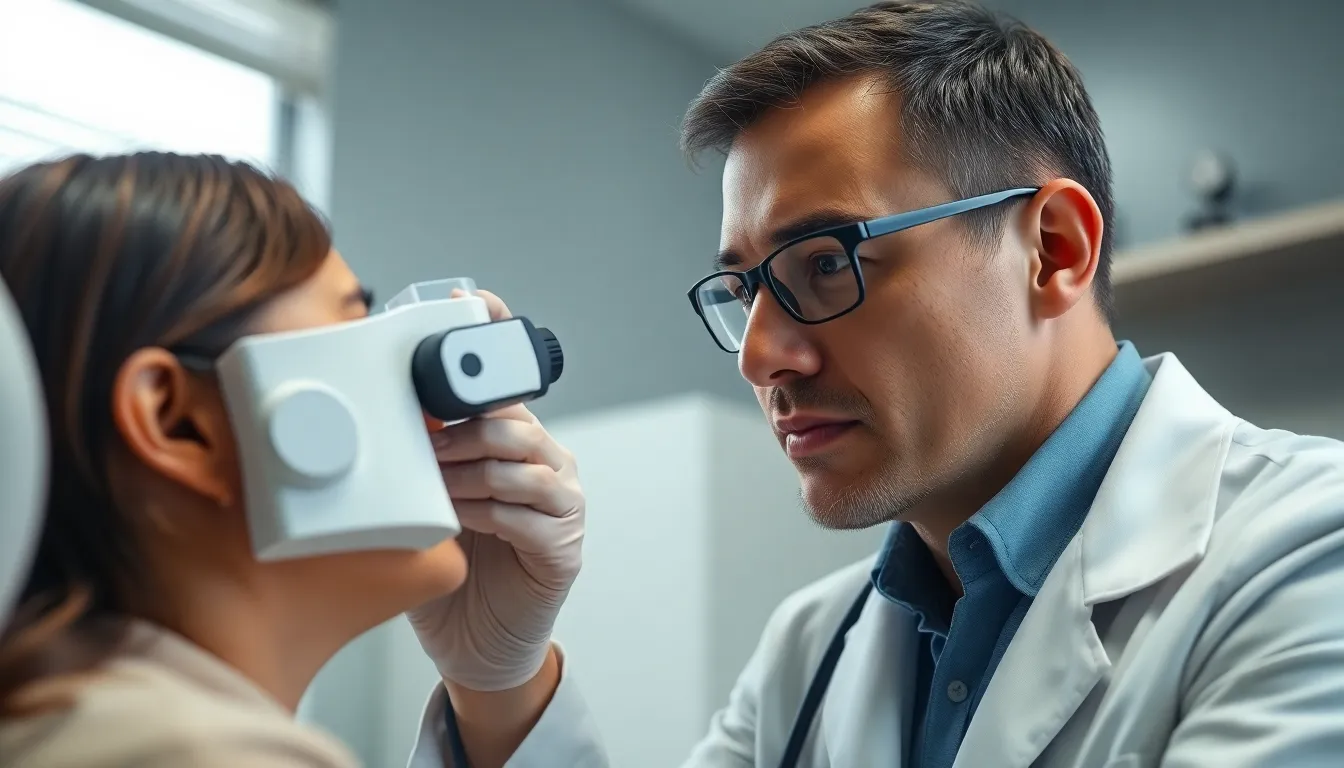
Diagnosing a hard lump under the skin on the face involves a thorough evaluation to determine its nature and underlying cause. Health professionals rely on specific methods to reach an accurate diagnosis.
Medical Examination
Medical professionals conduct a comprehensive examination to assess the lump’s characteristics, including its size, shape, and texture. They also evaluate any accompanying symptoms such as pain, redness, swelling, or drainage. A detailed medical history aids in identifying potential causes, including past skin conditions or recent infections. By palpating the lump and examining the surrounding tissue, the clinician can often determine whether the lump is benign or if further investigation is warranted.
Imaging Techniques
Imaging techniques play a vital role in diagnosis. Ultrasound provides real-time images of the lump, revealing its composition and helping to distinguish between solid masses and fluid-filled cysts. CT scans may be utilized to give a more detailed view of deeper structures and assess any associated abnormalities. MRI scans offer high-resolution images beneficial for analyzing complex lesions and determining their relationship to surrounding tissues. These imaging modalities help guide treatment decisions and further investigations, if necessary.
Treatment Options
Individuals with hard lumps under the skin on their face can explore various treatment options. Choosing the right approach depends on the lump’s cause, size, and associated symptoms.
Home Remedies
Home remedies offer initial relief for minor lumps. These approaches include:
- Warm compress: Applying a warm compress for 15-20 minutes can reduce inflammation and promote drainage.
- Tea tree oil: Using diluted tea tree oil may help combat infection and reduce swelling due to its antibacterial properties.
- Aloe vera: Applying aloe vera gel can soothe skin irritation and promote healing.
- Turmeric paste: Mixing turmeric with water to create a paste can leverage its anti-inflammatory benefits when applied to the lump.
Medical Treatments
When home remedies do not yield results, medical interventions may be necessary. Possible medical treatments include:
- Corticosteroid injections: These injections reduce inflammation for conditions such as keloids or cysts.
- Surgical excision: Healthcare providers may opt to surgically remove lipomas or tumors based on size and characteristics.
- Antibiotics: For lumps associated with infections, antibiotics can effectively treat the underlying cause.
- Cryotherapy: This method freezes abnormal tissue, applicable for certain dermatological conditions.
- Laser therapy: Lasers may target specific types of lumps to diminish their appearance and texture.
Consulting a healthcare professional is crucial for tailored treatment recommendations.
When to Seek Medical Advice
Seek medical advice if a hard lump under the skin on the face appears suddenly or grows rapidly. Consult a healthcare professional if the lump is painful, tender, or accompanied by fever or chills. Consider immediate attention if there are signs of infection, including redness, warmth, or discharge.
Observe any changes in the lump’s size or texture. Report any associated symptoms like persistent headaches, vision changes, or unexplained weight loss. Schedule a visit if there is any doubt about the lump’s nature or if it affects daily activities.
Always prioritize safety. Timely intervention can lead to accurate diagnosis and appropriate treatment, ensuring overall health and well-being.
Understanding hard lumps under the skin on the face is essential for maintaining skin health. While many lumps are benign and manageable with home remedies, others may signal more serious conditions requiring medical attention. Recognizing symptoms and seeking timely professional advice can lead to effective diagnosis and treatment. Individuals should remain vigilant about any changes in their skin and prioritize their health by consulting healthcare professionals when necessary. Taking proactive steps ensures a better outcome and peace of mind regarding skin concerns.


