

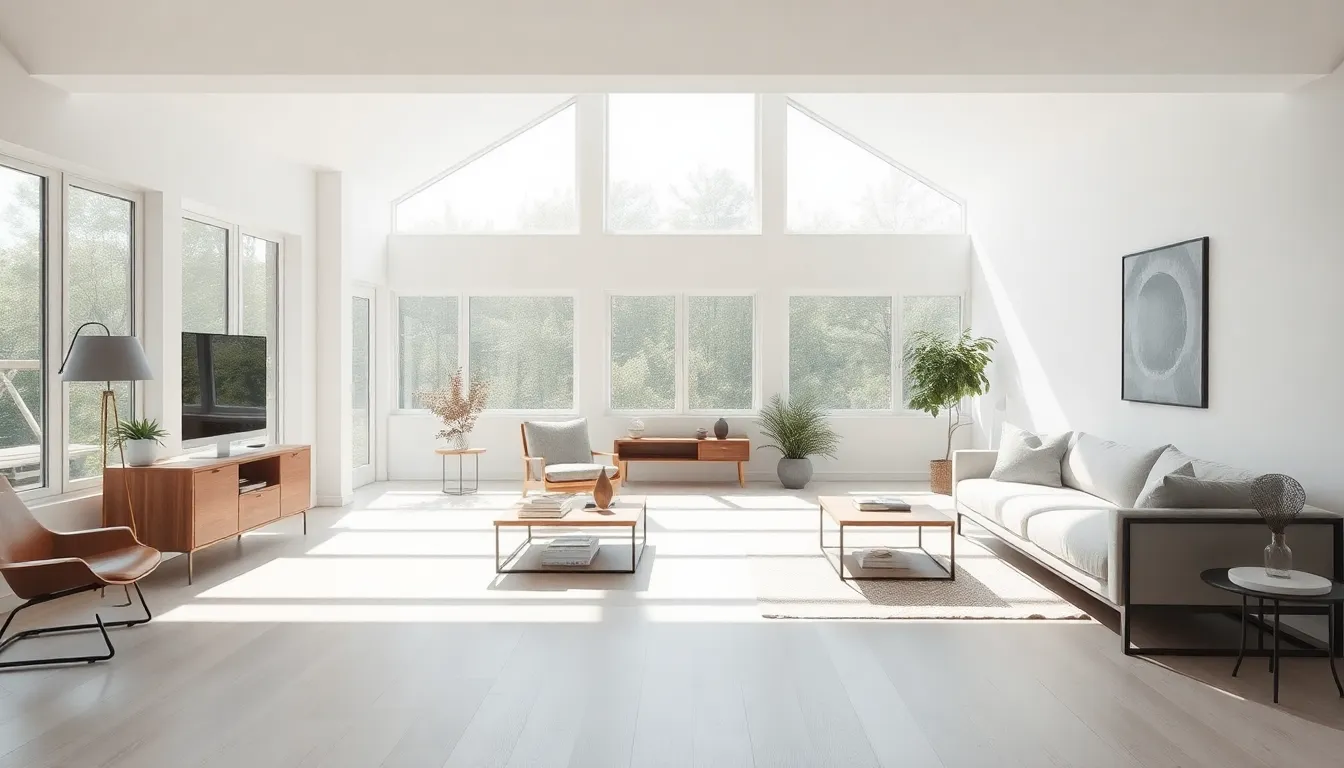
In a world brimming with clutter, the allure of minimalist homes shines brighter than ever. Imagine stepping into a space that feels like a breath of fresh air, where every item has a purpose and every corner invites tranquility. Minimalism isn’t just a design trend; it’s a lifestyle choice that promises less stress and more serenity.
Why juggle a mountain of stuff when you can embrace simplicity? Minimalist homes aren’t just about fewer possessions; they’re about creating a sanctuary that reflects clarity and intention. With clean lines and open spaces, these homes make it easier to focus on what truly matters—like binge-watching your favorite show without tripping over last year’s holiday decorations. So, let’s dive into the world of minimalist living and discover how to transform a chaotic home into a peaceful retreat.
Overview of Minimalist Homes
Minimalist homes embody simplicity and functionality, showcasing clean lines and uncluttered spaces. Established as both a design philosophy and a lifestyle approach, they prioritize essential items, reducing distractions from daily life. These homes often feature open floor plans, allowing for natural light and air circulation, which creates a serene atmosphere.
Neutral color palettes dominate minimalist interiors, contributing to a calming environment. Materials such as wood, metal, and glass blend seamlessly, enhancing the aesthetic appeal without overwhelming the senses. Furnishings typically serve dual purposes, supporting the philosophy of maximizing utility while minimizing excess.
Minimalist living encourages mindfulness in possessions and encourages a focus on what truly matters. The benefits extend beyond aesthetics; those adopting this lifestyle often report reduced stress levels and increased well-being. A keen awareness develops around environmental impact, as minimalist homes tend to feature sustainable practices and energy-efficient designs.
Practicing minimalism can transform not only physical spaces but also mental states. This approach offers individuals a chance to reflect on values, making conscious choices that promote clarity and purpose. Whether through intentional decluttering or thoughtful design, minimalist homes provide a refuge from the chaos of modern life, fostering tranquility and balance.
Key Features of Minimalist Design
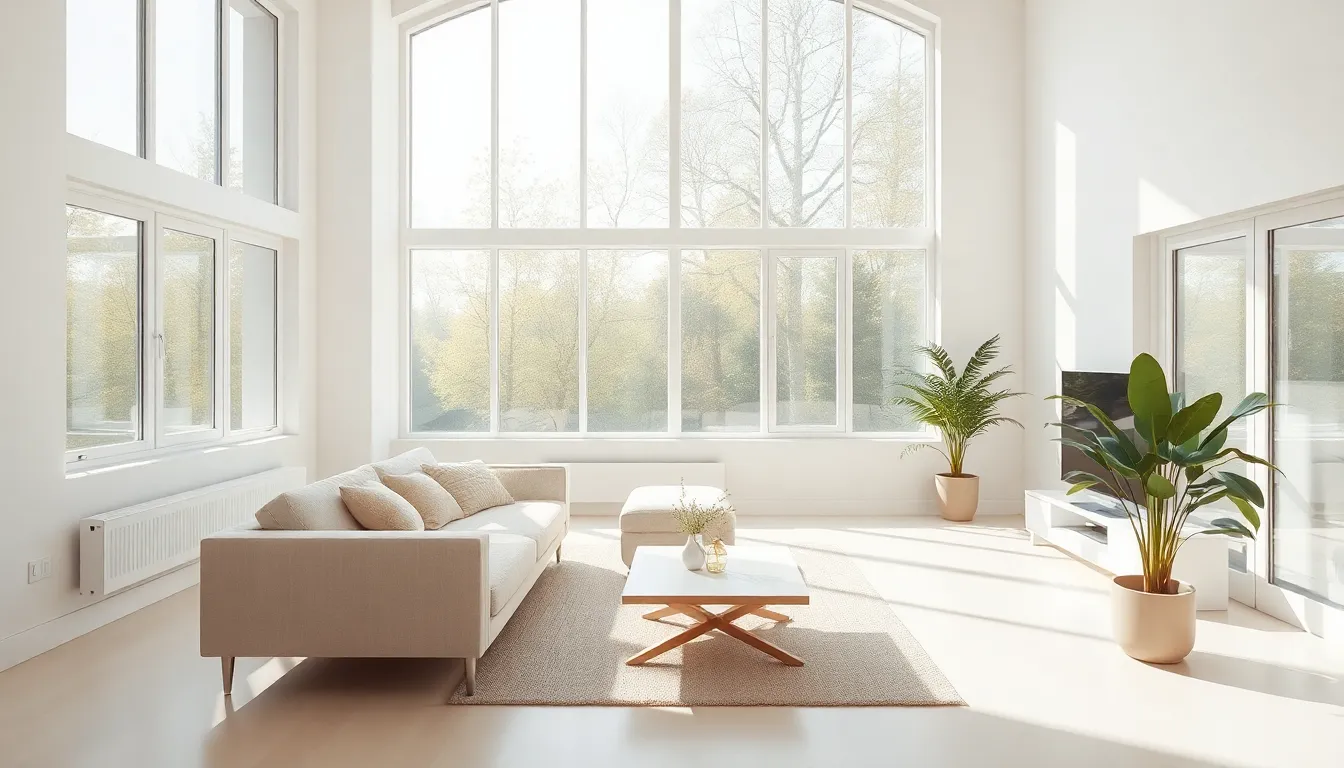
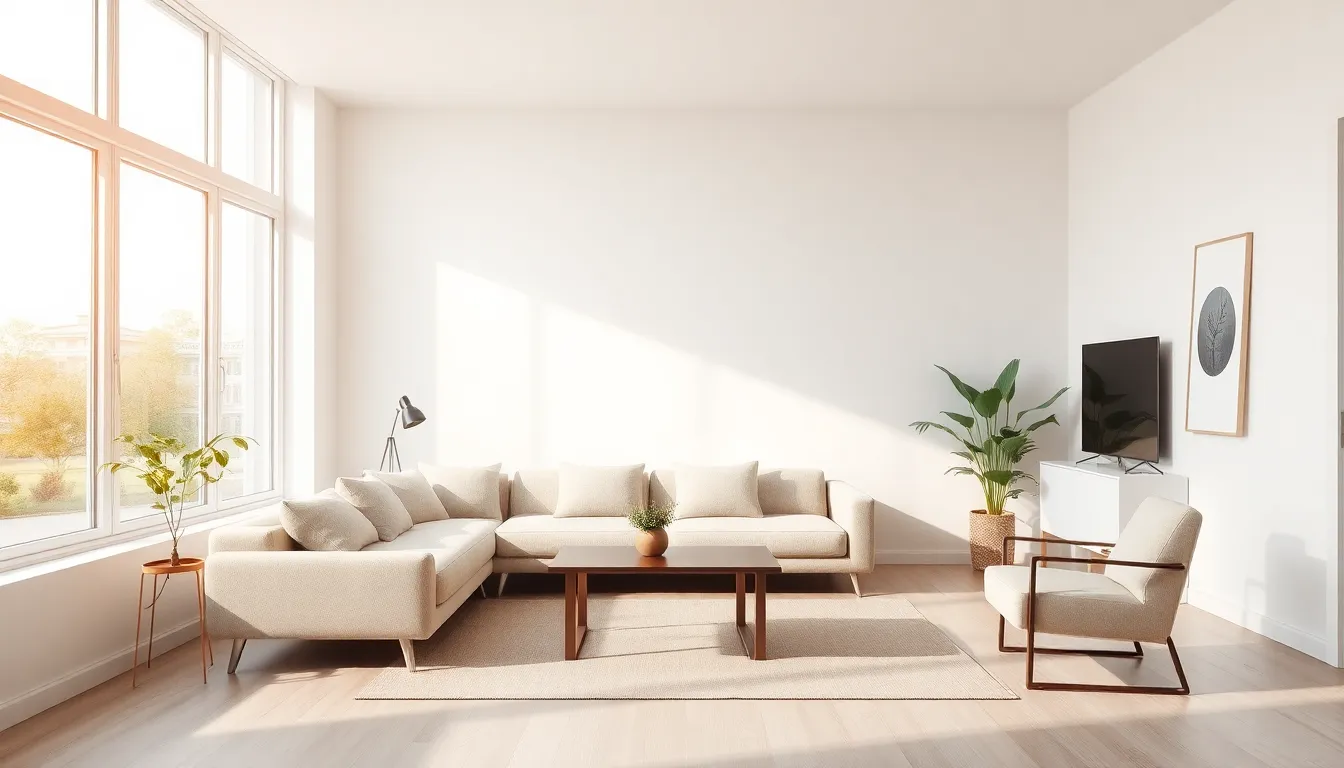
Minimalist design revolves around the core principles of simplicity and functionality. Each element in a minimalist home serves a purpose, reducing distractions and enhancing the living experience.
Simplicity and Functionality
Simplicity defines minimalist homes by using clean lines and uncluttered layouts. Functionality emerges as every piece of furniture offers utility and often serves multiple purposes. For instance, a sofa can convert into a bed, maximizing space without sacrificing comfort. Minimalist designs prioritize essential items, which promotes a sense of peace. Choosing fewer elements leads to a more thoughtful selection of decor, thereby enriching the overall environment. Each item contributes to the aesthetic, avoiding anything that feels extraneous or overly ornate. This harmonious balance results in a serene atmosphere ideal for relaxation.
Open Spaces and Natural Light
Open spaces characterize minimalist homes, creating an expansive feel. These layouts facilitate natural light, which plays a crucial role in enhancing ambiance. Large windows often invite sunlight indoors, brightening up areas and making them feel more expansive. Air circulation improves significantly with open plans, contributing to overall comfort. Moreover, a focus on fewer walls provides versatility in how spaces can be utilized. This openness fosters a connection to the outdoors, integrating nature into everyday life. Harmonizing indoor and outdoor environments promotes tranquility and encourages mindfulness within minimalist living.
Benefits of Living in Minimalist Homes
Minimalist homes offer various advantages that enhance daily living. Embracing a minimalist lifestyle significantly reduces stress levels and fosters mental clarity.
Reduced Stress and Clutter
Clutter often leads to feelings of overwhelm. By minimizing possessions, individuals create more serene environments. Open spaces contribute to a peaceful atmosphere, allowing for relaxation and comfort. Each item in a minimalist home serves a purpose, promoting intentional living. Less clutter means fewer distractions, enabling better focus on tasks. A clean, organized living space encourages mindfulness, improving overall mental well-being. Research indicates that simplifying environments can directly reduce anxiety levels. Homeowners who prioritize clutter reduction often report greater satisfaction with their living spaces.
Increased Focus and Productivity
Enhanced focus stems from a minimalist approach. Open floor plans and fewer distractions help maintain concentration on important tasks. Productivity often increases when individuals can work in serene, uncluttered spaces. Clear surfaces promote a clear mind, encouraging creativity and efficiency. Studies show that people perform better in environments that reduce sensory overload. Dual-purpose furnishings optimize functionality, allowing for seamless transitions between activities. Minimalist design fosters an atmosphere conducive to focused work, enhancing overall life satisfaction. Intentional living provides clarity in goals and priorities, ultimately leading to improved productivity.
Design Tips for Creating a Minimalist Home
Creating a minimalist home involves thoughtful choices and intentional designs. These decisions can greatly enhance both aesthetics and functionality.
Choosing the Right Color Palette
Selecting a neutral color palette establishes a calm and serene environment. Shades like whites, grays, and beiges promote a sense of tranquility. Accents in muted tones can add depth without overwhelming the space. Consider using these colors for walls, furnishings, and décor to maintain cohesion. Light colors reflect natural light, making rooms feel more spacious. Incorporating natural materials—wood or stone—can enhance the warmth and texture of a minimalist design. Soft textiles in pale hues create a cozy feel while keeping the overall look clean and uncluttered.
Smart Storage Solutions
Utilizing smart storage solutions maximizes space while minimizing clutter. Built-in shelves and cabinets help maintain a clean appearance without sacrificing functionality. Multi-purpose furniture, like ottomans or benches with hidden compartments, enables effective use of space. Opting for floating shelves can provide display areas without taking up valuable floor space. Consider investing in minimalist organizers that keep essentials accessible yet out of sight. Decluttering frequently promotes a minimalist mindset and encourages mindful ownership of possessions. By prioritizing storage, it’s possible to create an organized atmosphere, enhancing both aesthetics and mental clarity.
Challenges of Minimalist Living
Adopting a minimalist lifestyle can present several challenges. Many individuals struggle with emotional attachment to possessions. Letting go of items often invokes nostalgia and memories, complicating the decluttering process.
Maintaining a minimalist home requires continuous effort. It’s vital to practice regular decluttering. Without a routine, possessions can quickly accumulate, leading to clutter and stress.
Social expectations may also pose difficulties. Friends and family sometimes perceive minimalism as extreme or impractical. Navigating these perceptions can create tension during gatherings or when discussing personal choices.
Moreover, financial implications can surface. Purchasing high-quality, multifunctional furniture might entail higher upfront costs. Individuals may find balancing quality and budget particularly challenging.
Additionally, the transition to minimalism involves adapting lifestyle habits. Developing mindfulness in consumption takes time and effort. Changing habits may prove difficult for those accustomed to consumerism.
Accepting imperfect spaces can be a challenge for some. Many individuals equate minimalist living with perfection, which leads to unrealistic expectations. Understanding that simplicity can coexist with comfort is essential.
Time constraints impact the ability to declutter effectively. Busy schedules can hinder the process of evaluating and letting go of items. Setting aside dedicated time for decluttering becomes crucial for success.
Experiencing setbacks is common during the journey to minimalism. Relapsing into old habits may occur, creating feelings of discouragement. Recognizing that minimalism is a continual process fosters resilience and growth.


