

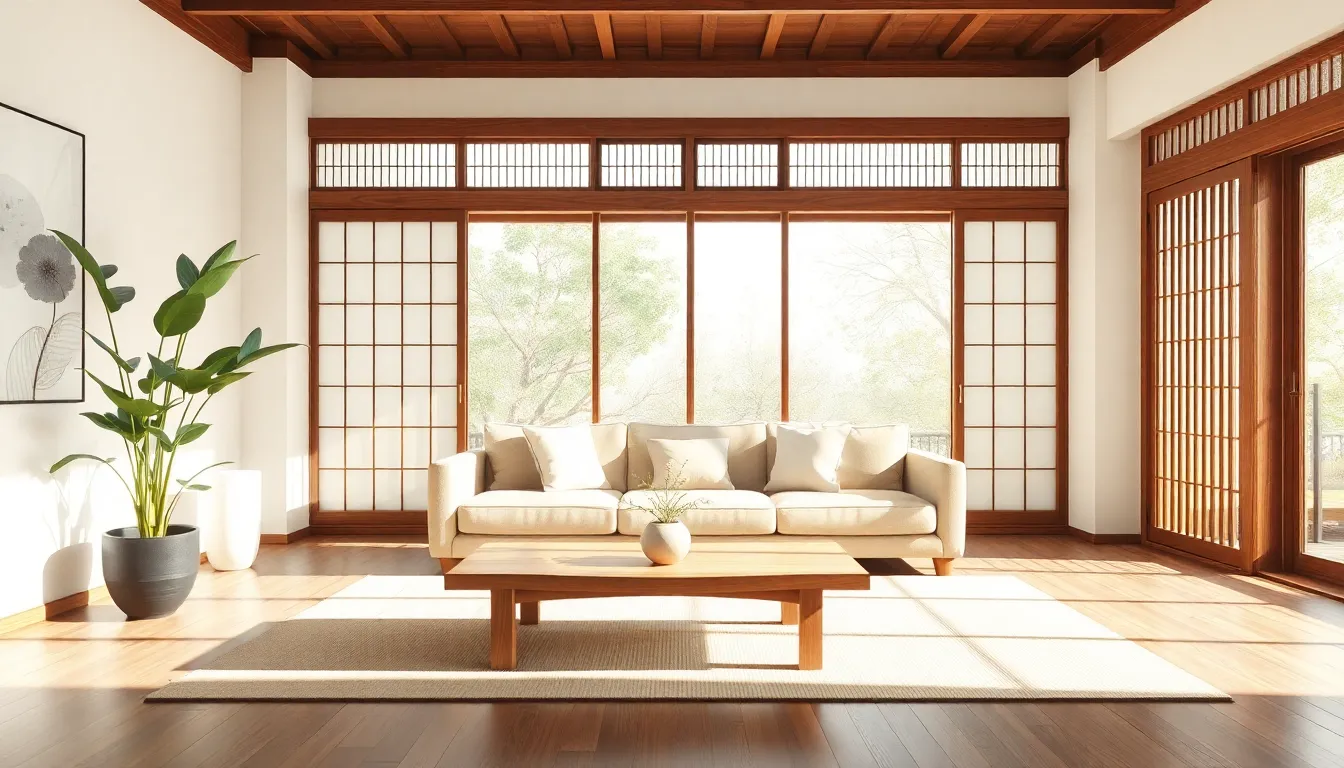
Imagine stepping into a living room that feels like a serene retreat from the chaos of everyday life. The Japandi style combines the sleek elegance of Japanese design with the cozy warmth of Scandinavian aesthetics, creating a minimalist haven that’s both functional and inviting. It’s like a zen master and a cozy polar bear decided to throw a party, and everyone’s invited!
In a world overflowing with clutter, embracing a Japandi-inspired living room can transform your space into a peaceful oasis. Picture clean lines, natural materials, and a color palette that whispers tranquility. This isn’t just about aesthetics; it’s a lifestyle choice that promotes mindfulness and simplicity. So grab a cup of tea, kick back, and discover how to create a living room that’s not just stylish but also a breath of fresh air in your busy life.
Understanding Minimalist Lifestyle
Minimalist lifestyle promotes simplicity and clarity in everyday living. Its essence lies in reducing clutter, both physically and mentally. Intentionality governs choices around possessions, creating environments that foster tranquility. This lifestyle focuses on quality over quantity, where each item serves a purpose or brings joy.
Simplicity emerges as a key pillar of minimalism. Individuals prioritize essential needs, often choosing multifunctional furniture that maximizes space while maintaining functionality. Maintaining open spaces helps create a serene atmosphere, which contributes to peace of mind.
Mindfulness plays a significant role in the minimalist approach. Practitioners often embrace the philosophy of being present, recognizing that joy stems from experiences rather than material possessions. Implementing mindfulness allows for a deeper appreciation of one’s surroundings.
Incorporating natural elements enhances the minimalist experience. Organic materials like wood, stone, and plants form a connection to nature. Such elements not only beautify spaces but also promote well-being.
The color palette typically favors neutral shades, creating a calming environment. Soft whites, warm beiges, and muted earth tones establish a cohesive look. Accent colors can be introduced sparingly, ensuring they enhance rather than distract from the overall design.
Minimalist lifestyle fosters sustainability. By prioritizing quality and longevity, individuals lean towards environmentally-friendly options. Making conscious purchasing decisions support eco-friendly brands that align with minimalist principles.
Ultimately, adopting a minimalist lifestyle cultivates an inviting atmosphere, perfect for a Japandi living room. Through thoughtful design choices and a clutter-free mindset, individuals can create a harmonious space that reflects their values and enhances daily life.
Key Features of Japandi Design
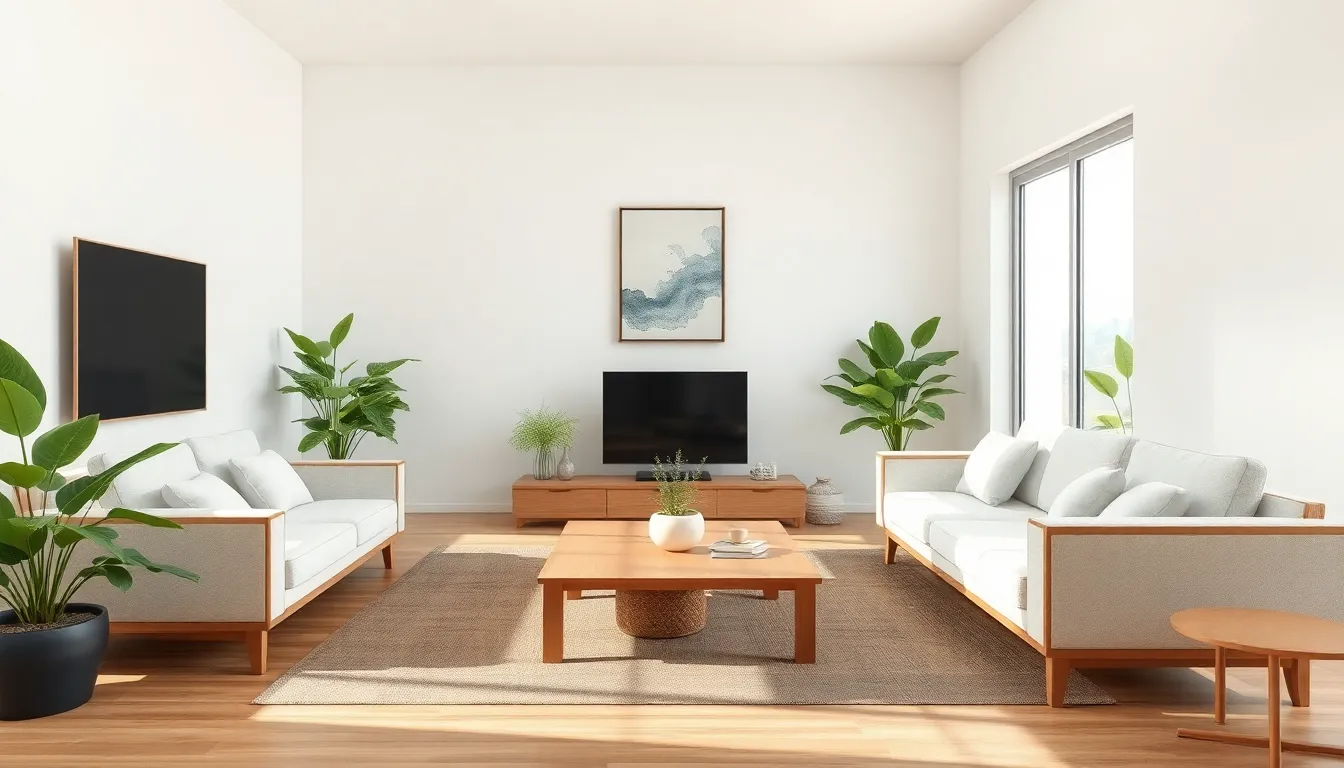
Japandi design embodies a unique mix of simplicity and elegance. This style merges the minimalistic inherent in Japanese aesthetics with the warm, functional appeal of Scandinavian decor.
Blend of Japanese and Scandinavian
Japanese design emphasizes minimalism and natural beauty, while Scandinavian style focuses on comfort and functionality. They both prioritize clean lines and a neutral, calming palette. Spaces often showcase wood elements, bringing warmth and texture. Minimalist furniture frequently features refined shapes, adding visual interest without creating clutter. Accessories remain limited, ensuring each piece holds significance. This blend results in an inviting atmosphere, promoting a sense of balance and harmony in the living space. Finding a unifying balance between the two styles fosters mindful environments conducive to relaxation.
Emphasis on Functionality
Functionality constitutes a cornerstone of Japandi design, reflecting a “form follows function” philosophy. Each item serves a purpose, minimizing distractions from essential needs. Furniture often features multifunctional attributes, simplifying space and enhancing organization. This design philosophy encourages selecting high-quality pieces that endure over time, reducing waste and promoting sustainability. Open spaces enhance movement and airflow, allowing natural light to permeate the area. Thoughtful placement creates a serene flow, which further emphasizes intentionality in living. Prioritizing practicality fosters an environment where simplicity reigns, leading to a more tranquil and mindful lifestyle.
Creating a Japandi Living Room
Creating a Japandi living room involves selecting key elements that embody simplicity and functionality. The focus should remain on achieving harmony through design choices.
Choosing the Right Color Palette
A neutral color palette is essential in Japandi design. Soft whites, muted grays, and warm beiges lay the foundation for a tranquil environment. Incorporating natural tones like greens promotes serenity. These colors create a cohesive look, enhancing the calming atmosphere. Utilizing accents in darker hues, such as deep blues or earthy browns, contributes depth without overwhelming the space. It’s important to maintain balance in the color scheme, as this choice fosters mindfulness and supports the overall minimalist lifestyle.
Selecting Furniture and Decor
Selecting furniture and decor requires an emphasis on functionality and quality. Multifunctional pieces, like a stylish coffee table that doubles as storage, maximize space efficiency. Additionally, opting for low-profile, clean-lined furniture aligns with Japandi aesthetics. Natural materials, such as wood and linen, add warmth and texture, enhancing the overall feel. Thoughtful placement ensures movement flows freely within the room. Accessories should remain minimal, with a few select decorative items, like handcrafted ceramics, highlighting artistry without cluttering the environment. Prioritizing these choices fosters a harmonious space that reflects the essence of Japandi living.
Benefits of a Minimalist Japandi Living Room
A minimalist Japandi living room offers numerous benefits that enhance well-being. Reduced clutter simplifies daily life, allowing individuals to focus on essential activities. An organized space fosters a calming atmosphere, promoting relaxation and creativity.
Natural materials, like wood and stone, bring warmth to the environment, ensuring comfort. Combining Japanese simplicity with Scandinavian coziness creates an inviting space conducive to mindfulness. Each piece in the room serves a purpose, combining elegance with functionality.
Open spaces facilitate movement, encouraging a fluid flow that enhances accessibility. Prioritizing multifunctional furniture reduces the need for excess items, saving both space and resources. A cohesive color palette, composed of soft whites and muted tones, creates visual harmony, resting the eyes and mind.
The minimalist approach to design cultivates sustainability by encouraging high-quality furnishings that minimize waste. By selecting only impactful decor, individuals can showcase artistry without sacrificing serenity. This intentional selection promotes appreciation for meaningful possessions, fostering a mindful lifestyle.
Ultimately, embracing a minimalist Japandi living room aligns with embracing a balanced and fulfilled life, appealing to those seeking tranquility within their homes.
Embracing a minimalist Japandi living room offers more than just aesthetic appeal. It cultivates a sense of tranquility and mindfulness that enhances daily life. By prioritizing simplicity and functionality, individuals can create serene spaces that reflect their values and promote well-being.
The thoughtful integration of natural materials and a cohesive color palette fosters an inviting atmosphere. This approach not only reduces clutter but also encourages appreciation for quality and meaningful possessions. Ultimately, a Japandi living room serves as a peaceful retreat, inspiring a balanced lifestyle that resonates with those seeking harmony in their homes.


