


The world of hair has always been a canvas for self-expression, and dreadlocks are a powerful example of this. Often referred to interchangeably as dreads or locs, these unique styles carry rich cultural significance and history. Yet, many wonder whether these terms truly mean the same thing or if subtle differences exist.
Understanding the nuances between dreads and locs can deepen appreciation for this iconic hairstyle. Both styles involve the matting and twisting of hair, but their origins and cultural contexts can vary significantly. Exploring these distinctions not only clarifies terminology but also honors the traditions behind them.
Understanding Dreads and Locs
Dreads and locs both refer to types of braided hairstyles often associated with cultural and personal identity. Clarifying the definitions establishes a better understanding of these popular styles.
Definitions of Dreads
Dreads, commonly known as dreadlocks, represent a specific style formed by matting and intertwining hair strands. This technique can result from neglect or intentional styling. Dreads often emerge from cultural practices, particularly in African and Rastafarian communities. The term “dread” stems from the historical context of people considering this hairstyle as formidable or “dreadful.”
Definitions of Locs
Locs refer to a broader category that includes various methods of creating locked hairstyles. Unlike dreads, locs often emphasize a more intentional, maintained appearance achieved through techniques such as two-strand twists or palm rolling. The term “loc” conveys respect and a connection to cultural heritage, often associated with positive self-expression and spiritual significance.
Historical Context
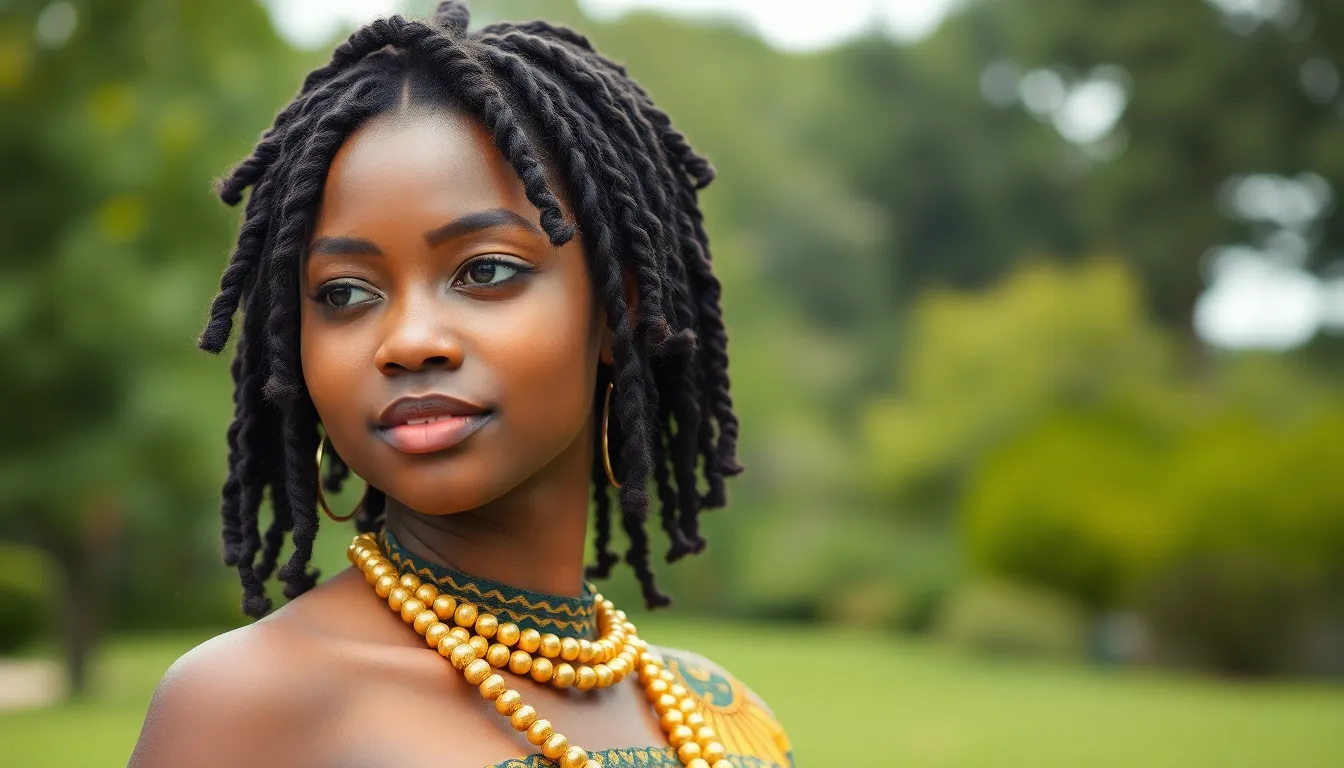
Dreads and locs both carry rich historical narratives that contribute to their cultural significance. Understanding these origins provides deeper insight into the nuances of each hairstyle.
Origins of Dreads
Dreads trace their roots primarily to ancient African civilizations, where they were commonly worn as symbols of spiritual beliefs and tribal identity. Various cultures, such as the Nubians and ancient Egyptians, embraced this hairstyle. In the Rastafarian movement that took shape in Jamaica during the 1930s, dreads became associated with resistance to oppression and a profound spiritual connection to Ethiopian heritage. The term “dread” originates from the phrase “dreadlocks,” reflecting historical concerns over the hairstyle’s societal perception. The style signifies a rejection of conventional beauty standards and offers a powerful form of self-identity.
Origins of Locs
Locs, while visually similar to dreads, arise from diverse practices across different cultures. This style encompasses a variety of techniques used to achieve locked hair, including two-strand twists, braids, and palm rolling. These intentional methods can be traced to African, Afro-Caribbean, and even some South Asian communities, where locs serve as expressions of cultural heritage and personal identity. Unlike dreads, which often imply a natural and somewhat unkempt appearance, locs prioritize technique and maintenance, showcasing a commitment to preserving the hairstyle’s aesthetics. Locs represent a broader spectrum of cultural significance tied to self-expression and pride in one’s ancestry.
Cultural Significance
Dreadlocks and locs carry profound cultural significance, reflecting historical roots and community identity. Understanding their context enriches appreciation for these hairstyles.
Dreads in Popular Culture
Dreads have played a prominent role in popular culture, often symbolizing rebellion and individuality. Celebrities like Bob Marley and Whoopi Goldberg popularized dreads, linking them to the Rastafarian movement and broader counterculture themes. Media representations frequently touch on themes of strength and spirituality, further solidifying this hairstyle’s cultural importance. The portrayal of dreads in music, fashion, and film highlights ongoing dialogues surrounding identity and self-expression.
Locs in Community Identity
Locs serve as a powerful statement of community identity and cultural pride. Across various cultures, locs embody traditions and techniques that differ significantly, showcasing the artistry behind hair care. For many, wearing locs represents a connection to heritage, community, and shared history. Communities often celebrate locs through cultural events and social gatherings, fostering unity and recognition of cultural diversity. This hairstyle signifies resilience and belonging, reinforcing the importance of personal and communal identity.
Physical Characteristics
The physical characteristics of dreads and locs reveal distinct features that differentiate the two. Understanding these traits allows for a deeper appreciation of both hairstyles.
Differences in Hair Texture
Hair texture plays a crucial role in the formation and appearance of dreads and locs. Dreads often form more easily in coarser hair types, which tend to hold together tighter and mat more readily. In contrast, locs typically develop in various hair textures, including straight, wavy, and curly. While some individuals with finer hair may choose to create locs, they might require additional techniques and maintenance to achieve desired results.
Methods of Formation
Dreads and locs arise from different methods of hair formation. Dreads primarily emerge through matting and intertwining hair strands, often without external tools or products, relying on the natural process over time. Meanwhile, locs are usually cultivated using intentional techniques, such as two-strand twists, palm rolling, or backcombing. These methods facilitate a more controlled and aesthetically pleasing outcome. Maintenance also varies; dreads might be left untreated, while locs often undergo regular upkeep to maintain their style and health.
Maintenance Practices
Caring for dreads and locs involves distinct techniques and approaches, reflecting their unique formation methods and cultural backgrounds.
Care for Dreads
Caring for dreads requires specific practices to maintain their integrity and appearance. Regular washing with residue-free shampoos prevents buildup and promotes scalp health. Avoiding heavy products maintains the lightweight feel of the hair. Additionally, separating dreads during washing can minimize matting. To maintain shape, retightening should occur every four to six weeks, often through palm rolling or twisting. Keeping the scalp moisturized with natural oils, such as jojoba or coconut, prevents dryness and promotes a healthy environment.
Care for Locs
Caring for locs emphasizes intentional maintenance techniques, often tailored to hair type. Washing locs every two to four weeks with sulfate-free shampoos keeps them clean without stripping essential moisture. Using products designed for loc care, like lightweight oils and butters, ensures proper hydration without buildup. Regular palm rolling or interlocking methods help maintain the locs’ structure and prevent unraveling. Monthly maintenance appointments or self-retouching routines ensure locs remain neat and healthy. Additionally, protecting locs from harsh weather with coverings can prevent damage and maintain their appearance.
Are Dreads and Locs the Same Thing?
Dreads and locs, while often used interchangeably, possess distinct differences rooted in culture and technique. Understanding these nuances enhances appreciation for their meanings and significance.
Common Misconceptions
Many believe dreads and locs refer to the same hairstyle. This misconception overlooks cultural origins and maintenance methods. Dreads often stem from historical and spiritual contexts tied to specific communities, primarily among people of African descent. Conversely, locs derive from broader cultural techniques, with varied practices across communities, including Afro-Caribbean and South Asian. Misinterpretations arise from visual similarities, yet recognizing their unique cultural narratives fosters respect and awareness.
The Overlapping Features
Both dreads and locs share certain features, such as the visual aspect of locked hair and both serving as expressions of identity. They consist of sections of hair twisted or matted, showcasing artistry and commitment to hair culture. Both hairstyles embody a connection to heritage and community, with individuals finding pride in sporting such identities. Though they differ in formation methods, their overlapping qualities promote appreciation for individual expression and cultural significance.
Understanding the differences between dreads and locs enriches the appreciation for these iconic hairstyles. Each carries its own cultural significance and history that deserves recognition. While dreads often stem from deep-rooted traditions and symbolize resistance, locs reflect a broader spectrum of cultural practices and personal expression.
Both styles showcase artistry and commitment to hair care, highlighting the importance of identity within various communities. Recognizing these distinctions fosters respect for the rich narratives behind each hairstyle. Ultimately, whether one chooses dreads or locs, the journey of self-expression and cultural connection remains paramount.


