

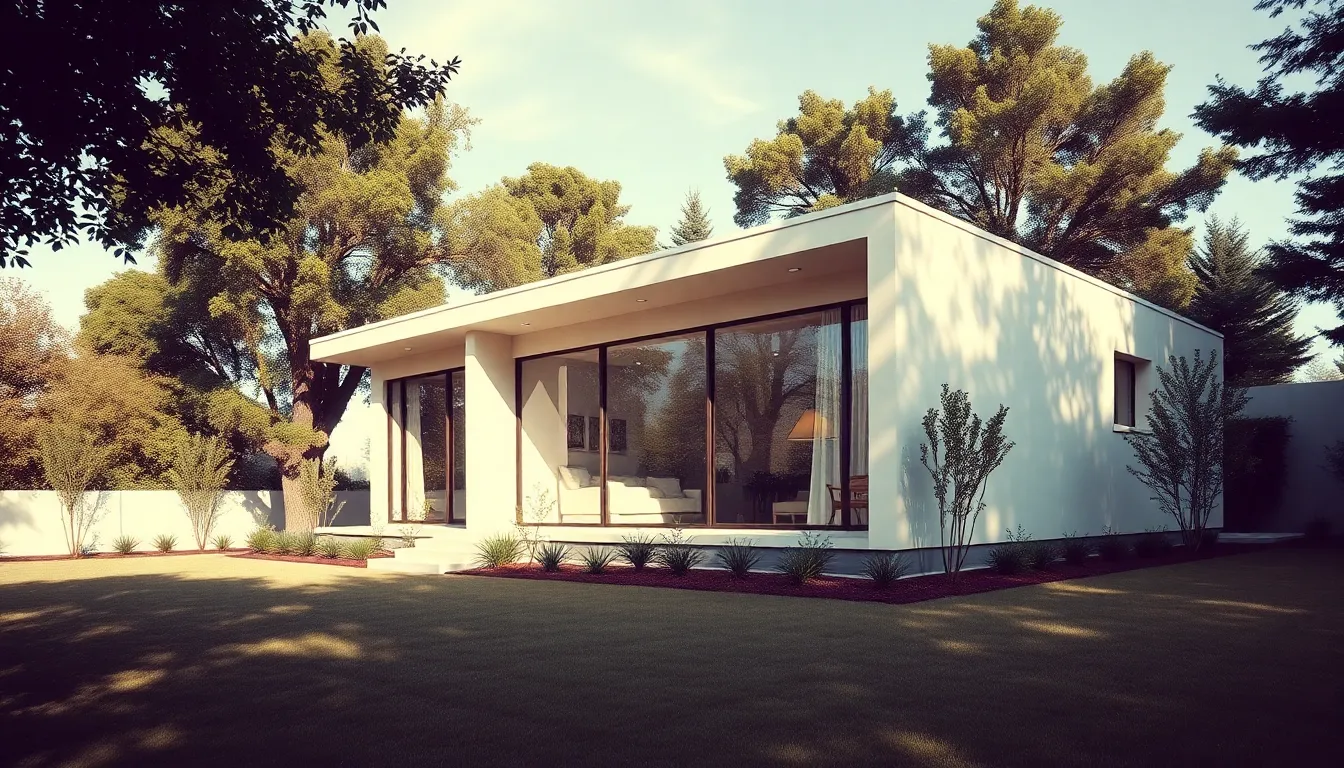
In a world overflowing with stuff, minimal house design emerges like a breath of fresh air. Imagine stepping into a space where simplicity reigns supreme, and every item has a purpose—no more tripping over that questionable souvenir from last summer’s vacation. Minimalism isn’t just a trend; it’s a lifestyle choice that promises clarity and peace in a chaotic world.
Overview of Minimal House Design
Minimal house design emphasizes simplicity and functionality. This architectural trend prioritizes open spaces and uncluttered environments, allowing individuals to focus on what truly matters. Designed as a response to overwhelming living conditions, minimalism cultivates serenity and ease.
Key features of minimal house design include clean lines, neutral color palettes, and the absence of excess ornamentation. Natural light plays an essential role, with large windows and open layouts enhancing the sense of space. Sustainable materials often define these structures, promoting eco-friendly living and reducing environmental impact.
Functional furniture typically accompanies minimal designs, with pieces tailored to meet specific needs without unnecessary embellishments. Each element serves a purpose, reinforcing the philosophy that less is more. By eliminating distractions, residents can enjoy a more intentional lifestyle.
Incorporating landscaping into minimal house design creates a harmonious connection with nature. Outdoor spaces complement indoor simplicity, often featuring native plants and easy-to-maintain gardens. Such elements enhance tranquility and create a calming atmosphere.
Architects and designers worldwide have embraced minimalism in recent years, adapting the concept to various climates and cultural contexts. Innovations in technology also facilitate minimalist living, including smart home systems that streamline daily tasks. Flexibility and adaptability characterize these modern designs, making them suitable for diverse lifestyles.
Minimal house design represents a significant shift in how individuals perceive their living spaces. Rather than prioritizing quantity, the focus shifts towards quality of experience. By championing minimalism, this design philosophy encourages individuals to curate their surroundings thoughtfully.
Key Principles of Minimal House Design
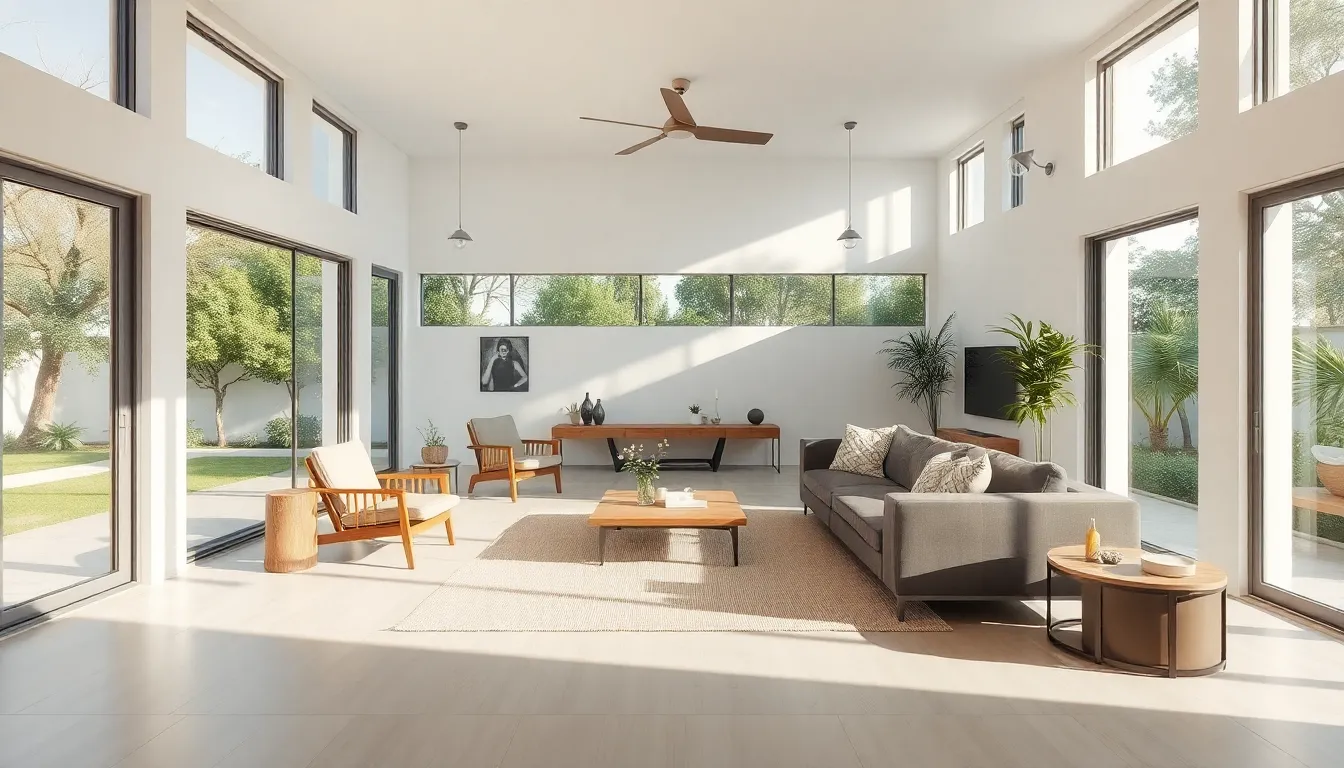
Minimal house design focuses on essential elements that promote serenity and functionality. This approach emphasizes simplicity and intentionality in living spaces.
Simplicity and Functionality
Simplicity stands at the core of minimal house design. Clean lines define the architecture, offering an aesthetic that isn’t cluttered. Functional furniture serves multiple purposes, ensuring every piece has a role in the space. Whether through built-in storage or adaptable layouts, functionality enhances the livability of minimalist homes. Designers select furnishings that blend seamlessly with the overall design, minimizing distractions. This philosophy encourages mindfulness, guiding occupants to appreciate their environment without unnecessary complexities.
Open Spaces and Natural Light
Open spaces characterize minimal house design, fostering a sense of freedom and airiness. Room layouts promote flow and visibility, facilitating interactions among inhabitants. Natural light plays a crucial role in enhancing these spaces, as large windows and skylights invite daylight indoors. This abundance of light not only creates warmth but also accentuates the simplicity of the design. Outdoor areas merge with indoor spaces, extending the living environment. By prioritizing open layouts and light, minimal houses cultivate a tranquil atmosphere that nurtures well-being.
Benefits of Minimal House Design
Minimal house design offers numerous advantages that enhance daily living experiences. This approach fosters a lifestyle centered on clarity and tranquility.
Cost-Effectiveness
Cost-effectiveness is a significant advantage of minimal house design. Reduced overall square footage leads to lower construction costs, since smaller homes require fewer materials. Utility bills also decrease due to energy-efficient features like high-quality insulation and strategic window placement. Furnishing a minimal home typically involves fewer but higher-quality pieces, minimizing initial investments. Maintenance costs diminish, as simpler designs often use durable materials that require less upkeep. Ultimately, homeowners enjoy financial freedom when living in a minimalist space.
Environmental Sustainability
Environmental sustainability plays a crucial role in minimal house design. Smaller homes consume fewer resources, contributing to a reduced carbon footprint. Use of sustainable materials further enhances eco-friendliness, with options like reclaimed wood or recycled materials being common. Natural light utilization decreases reliance on artificial lighting, promoting energy efficiency. Efficient water management systems, such as rainwater harvesting, simplify resource conservation. Choosing minimalist design encourages a deep connection to nature while fostering environmentally responsible living practices.
Challenges in Minimal House Design
Minimal house design presents unique challenges that require careful consideration. Designers must prioritize both aesthetics and practicality to create a harmonious living space.
Balancing Aesthetics and Practicality
In minimal house design, achieving a balance between aesthetics and practicality proves essential. Aesthetic appeal often emphasizes clean lines and open spaces, while practicality ensures that every element serves a specific function. Designers continually evaluate material choices, ensuring they align with the minimalist philosophy. Creative solutions emerge when it comes to multifunctional furniture that complements the overall design. This approach allows for beautiful spaces that do not sacrifice function. Striking a balance leads to homes that are not only visually stunning but also highly livable.
Coping with Limited Space
Limited space creates challenges in minimal house design that require innovative solutions. Smart layout planning becomes vital for maximizing functionality within smaller footprints. Open floor plans facilitate a sense of spaciousness while ensuring efficient use of every corner. Storage solutions also play a crucial role, with built-in features helping to maintain a clutter-free environment. Effective use of vertical space contributes to both organization and visual interest. Meeting these challenges confidently allows for a harmonious balance between form and function, embodying the minimalist ethos.
Embracing minimal house design transforms living spaces into havens of peace and functionality. By focusing on simplicity and intentionality, individuals can create environments that reflect their values and promote well-being. This design philosophy not only enhances daily experiences but also fosters a deeper connection with nature and sustainability.
As the world continues to embrace minimalism, it’s clear that the benefits extend beyond aesthetics. The shift towards minimal house design represents a conscious choice to prioritize quality over quantity, encouraging a lifestyle that values clarity and mindfulness. With thoughtful planning and innovative solutions, minimalism can redefine how people interact with their homes and surroundings.


