

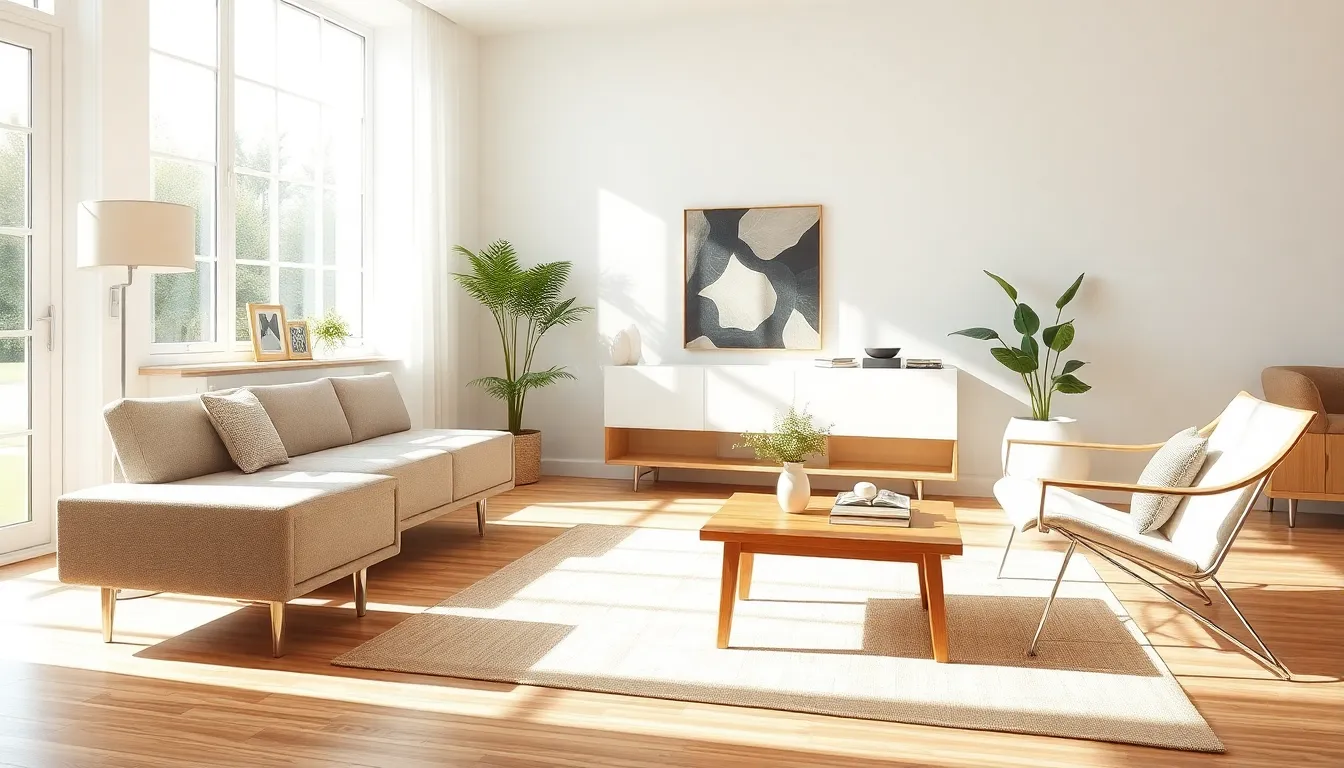
In a world overflowing with stuff, minimalist furniture emerges as the hero we never knew we needed. Imagine a living space that feels airy and serene, where every piece serves a purpose and looks fabulous doing it. Minimalism isn’t just a trend; it’s a lifestyle choice that champions simplicity and functionality, making it the perfect antidote to clutter-induced chaos.
What Is Minimalist Furniture?
Minimalist furniture embodies simplicity and functionality, intentionally designed to reduce clutter and enhance living spaces. Pieces prioritize clean lines and a lack of ornamentation, creating a calm atmosphere. Each item serves a specific purpose, making the most out of available space while maintaining an aesthetically pleasing look.
Designs often feature neutral colors and natural materials, aiming for a harmonious connection with the surrounding environment. Essential characteristics include lightweight structures and open forms that encourage airflow and light. Minimalist furniture focuses on quality rather than quantity, emphasizing durable materials that withstand the test of time.
The philosophy behind minimalist furniture extends beyond mere aesthetics; it reflects a conscious choice to embrace a lifestyle centered on mindfulness and intentionality. By choosing to invest in fewer yet higher-quality items, individuals cultivate spaces that promote tranquility and ease. Many people find that this approach results in reduced stress and improved well-being.
This modern design trend aligns with the needs of urban living, where space is often limited. Versatile furniture pieces adapt to various functions, accommodating both relaxation and productivity. This adaptability enhances their appeal, making them suitable for diverse environments, from compact apartments to larger homes.
Overall, minimalist furniture offers a practical solution to the challenge of modern living. By fostering simplicity, it transforms environments into serene sanctuaries, encouraging individuals to focus on what truly matters. Embracing minimalist principles shapes both the space and the mindset, allowing for a more meaningful existence.
Key Characteristics of Minimalist Furniture
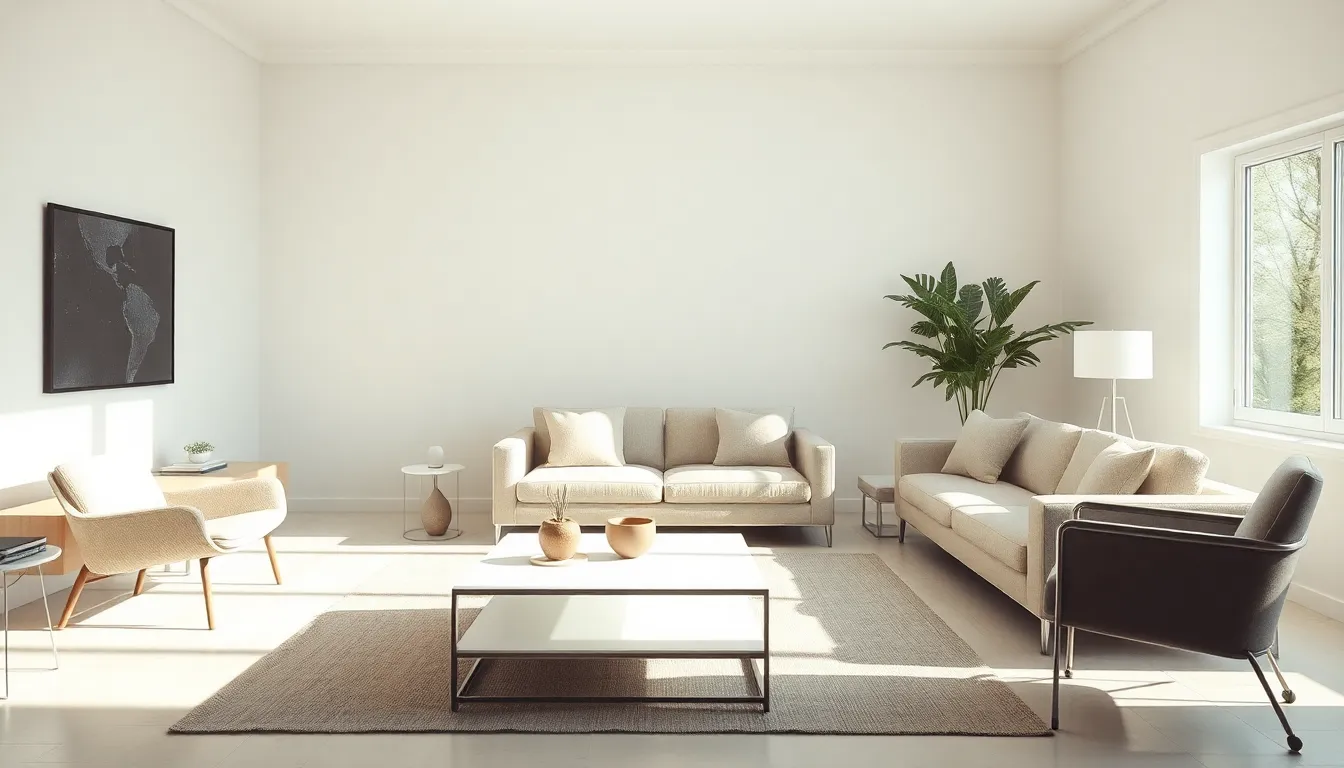
Minimalist furniture emphasizes simplicity and efficiency, creating a tranquil atmosphere. Its design principles focus on essential attributes that enhance living spaces.
Simplicity
Simplicity defines minimalist furniture. It avoids excessive decoration while highlighting each item’s purpose. The designs prioritize fundamental elements, ensuring each piece serves a specific function. Owners appreciate the straightforwardness, which promotes a clearer, more organized environment. Additionally, simple forms create a sense of calm, making it easier to relax and unwind.
Functionality
Functionality stands at the core of minimalist furniture design. Each piece is crafted to serve multiple purposes, maximizing utility within limited spaces. Ergonomic features often boost comfort, ensuring usability in various settings. Compact designs allow for easy integration into diverse layouts, supporting both relaxation and productivity. Consequently, minimalism resonates well in urban environments, where versatile furniture addresses practical needs.
Clean Lines
Clean lines characterize minimalist furniture, contributing to its sleek appearance. Straight edges and smooth surfaces foster a sense of order while allowing light to flow freely. The visual clarity of these lines enhances a room’s openness, creating an inviting atmosphere. Thoughtful arrangements of clean-cut furniture enhance the spatial experience within minimalism, promoting harmony throughout the living area. Clean lines also symbolize a modern aesthetic that resonates with contemporary design principles.
Benefits of Minimalist Furniture
Minimalist furniture offers several advantages that enhance modern living. Significant benefits include space efficiency and timeless aesthetics.
Space Efficiency
Space efficiency stands out as a primary benefit of minimalist furniture. Compact designs maximize usable areas, ensuring that every square foot serves a purpose. Multi-functional pieces, like a sofa bed or a storage ottoman, adapt to changing needs without consuming excessive space. Open layouts thrive with minimalist furniture, enhancing air circulation and natural light flow. Urban dwellers particularly appreciate this aspect, as limited spaces demand innovative solutions. Organizations and individuals benefit from fewer distractions, allowing for a more efficient use of their environments.
Timeless Aesthetic
Timeless aesthetic qualities elevate minimalist furniture beyond fleeting trends. Neutral color palettes maintain visual appeal, allowing easy integration with various decor styles. Clean lines and simple forms create a sense of order that transcends specific design fads. This enduring look promotes a serene atmosphere within any space. Durability often accompanies minimalist pieces, ensuring they withstand the test of time. Buyers investing in minimalist furniture gain sustainable options that reflect an intentional design philosophy. Overall, the visual simplicity enriches the environment, contributing to a peaceful and cohesive atmosphere.
Popular Materials Used
Minimalist furniture often incorporates various materials that reflect simplicity and functionality. Each material serves a distinct purpose, enhancing the overall aesthetic and durability of the design.
Wood
Wood brings warmth and natural beauty to minimalist furniture. Commonly used types include oak, maple, and walnut, chosen for their strength and attractive grain patterns. Pieces crafted from solid wood embody durability, contributing to their long-lasting appeal. Additionally, wood complements the serene environment of minimalist spaces, providing a tactile experience. Surfaces can be left natural or finished in neutral tones, maintaining the design’s understated elegance.
Metal
Metal adds a sleek and industrial touch to minimalist designs. Stainless steel and aluminum are popular choices, known for their lightweight yet robust characteristics. These metals lend a modern feel while ensuring structural integrity, making them ideal for furniture pieces like bases and frames. Finishes may vary from matte to polished, providing versatility. Metal’s inherent durability ensures that these pieces withstand wear while maintaining a clean and contemporary look.
Glass
Glass introduces an element of transparency and lightness in minimalist furniture. Often used for tabletops or shelving, it helps create an illusion of more space. Tempered glass is a common choice due to its strength and safety qualities. This clear material pairs well with wood and metal, allowing for seamless integration in various design schemes. By reflecting light, glass enhances the airy aesthetic intrinsic to minimalist environments.
How to Incorporate Minimalist Furniture in Your Home
Incorporating minimalist furniture into a home creates an inviting and functional environment. Thoughtful selections focus on essential items that enhance the space without overcrowding.
Choosing the Right Pieces
Selecting the right pieces starts with assessing space and needs. Prioritize functional items such as multi-purpose tables and storage solutions. Consider a sofa that fits comfortably yet offers ample seating. Lightweight chairs, often made from wood or metal, complement minimalist aesthetics while providing versatility. Opt for cabinets that feature clean lines and finishes that match the room’s color palette. Determine the scale of each piece to avoid overwhelming the area. Minimalist furniture thrives on simplicity, so avoid anything with excessive detailing. Ensure that each item serves a specific purpose, fostering a sense of order and tranquility.
Creating a Balanced Space
To create a balanced space, combine various furniture elements thoughtfully. Use a limited color palette for cohesion while adding texture through textiles. Place larger items, like sofas and bookshelves, against walls to open up floor space. Strategic positioning allows for easy movement and enhances airflow. Incorporate negative space to highlight each piece, letting the room breathe. Layer rugs to define areas without cluttering them visually. Use art or decor sparingly to maintain minimalism’s core principles. Achieve harmony by balancing heights and shapes throughout the room. Aim for an atmosphere that feels calm, unified, and functional with every choice made.
Minimalist furniture is more than a design choice; it’s a pathway to a more organized and peaceful living environment. By prioritizing simplicity and functionality, individuals can create spaces that reflect their values and enhance their well-being. The thoughtful selection of pieces not only maximizes space but also fosters a sense of tranquility in daily life.
As urban living continues to evolve, embracing minimalist principles offers a sustainable solution to the chaos of modernity. With its timeless aesthetic and focus on quality, minimalist furniture stands as a testament to intentional living, allowing individuals to concentrate on what truly matters. This approach not only transforms physical spaces but also cultivates a mindset centered on mindfulness and clarity.


