


Imagine waking up and having your coffee brewed before your feet even hit the floor. Sounds like magic, right? Welcome to the world of smart home essentials, where technology transforms everyday living into a seamless experience. With a flick of a finger or a simple voice command, you can control everything from lighting to security, making life not just easier but a whole lot more fun.
In this article, we’ll explore the must-have gadgets that can turn any ordinary home into a futuristic haven. Whether you’re a tech newbie or a gadget guru, these smart devices are designed to simplify your life and impress your friends. Get ready to elevate your living space and discover how a little technology can go a long way in creating a home that’s not just smart, but downright brilliant.
Smart Home Essentials for Living
Smart speakers stand as one of the most essential gadgets in any connected home. They enable voice control of multiple devices, making tasks effortless. Popular options like Amazon Echo or Google Nest provide hands-free assistance for music, weather updates, and reminders.
Smart thermostats enhance energy efficiency by learning user preferences. Devices like the Nest Learning Thermostat optimize heating and cooling schedules automatically. Homeowners experience significant savings on energy bills while maintaining comfort.
Smart lighting systems offer another layer of convenience. Philips Hue and LIFX enable users to control lights from their smartphones or via voice commands. Adjustments like dimming or changing colors occur instantly, setting the perfect ambiance for any occasion.
Smart security cameras provide peace of mind for homeowners. Brands such as Arlo and Ring feature motion detection and cloud storage for easy monitoring. These devices send alerts directly to smartphones, ensuring safety even when away from home.
Smart locks improve home security by allowing keyless entry. Yale and August smart locks integrate with smartphones, enabling users to lock or unlock doors remotely. Family members receive access codes, providing flexibility for visitors.
Smart home hubs serve as the central control systems, linking various devices for seamless operation. Solutions like Samsung SmartThings and Wink facilitate communication between disparate devices, streamlining control in one app.
Smart appliances elevate kitchen efficiency. Devices like the Instant Pot Smart or the June Oven feature advanced technology for precision cooking, making meal preparation faster and easier. Users can monitor cooking progress via apps.
Smart home essentials transform living spaces into comfortable, efficient environments. Embracing these technologies can significantly enhance daily routines, leading to a more enjoyable home experience.
Key Components of a Smart Home
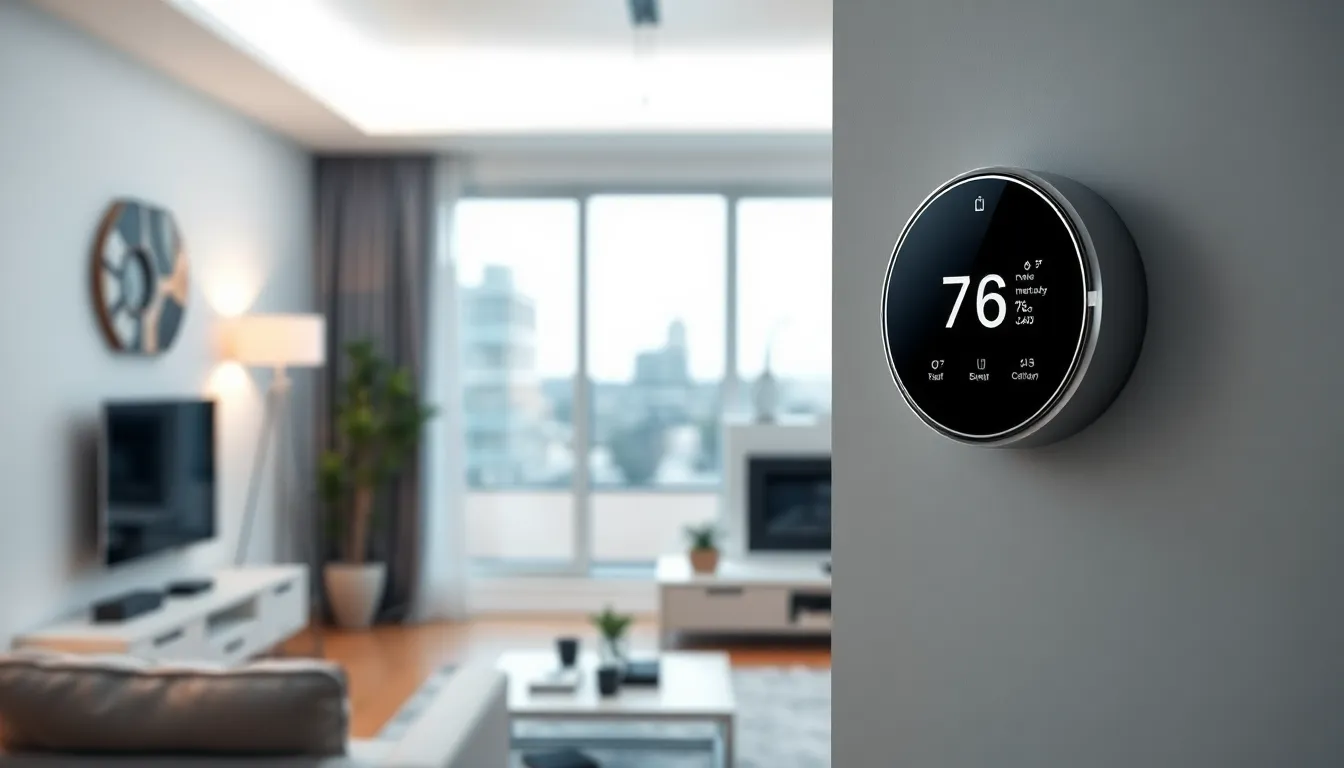
Smart homes integrate technology to enhance daily living through convenience and efficiency. Essential components include smart lighting solutions and smart thermostats.
Smart Lighting Solutions
Smart lighting systems provide versatile control over illumination. Users can adjust brightness and color easily through smartphones or voice commands. These lighting solutions increase energy efficiency by allowing automatic schedules and motion detection features. Brands like Philips Hue and LIFX offer extensive options, including color-changing bulbs and smart switches. Homeowners often prioritize customizable scenes for different activities such as movie nights or parties. With advanced integrations, smart lighting can sync with music or games, enriching experiences. Benefits extend to cost savings on energy bills due to efficient usage patterns, making smart lighting a vital component of any smart home.
Smart Thermostats
Smart thermostats contribute significantly to energy savings and climate control. Devices like the Nest Learning Thermostat adapt to user schedules and preferences. They learn heating and cooling patterns to optimize energy use. Many models include features such as remote access and energy usage reports. Homeowners can adjust settings from anywhere using mobile apps. Compatibility with voice-controlled assistants enhances user experience. Significant savings on energy bills often emerge from optimized climate control. Additionally, smart thermostats increase comfort levels throughout the home by maintaining consistent temperatures. Their integration marks a crucial element in achieving an efficient smart home.
Home Security and Safety
Home security encompasses a range of devices and systems that help protect properties. Essential gadgets enhance safety and provide peace of mind.
Smart Locks and Alarms
Smart locks deliver convenience through keyless entry options. Users can unlock doors remotely via smartphones or biometrics. Enhanced security features include customizable access codes for family members or guests. Alarms often integrate with smart home systems, allowing for instant notifications of breaches. Systems such as August Smart Lock and Schlage Encode combine smart technology with robust lock mechanisms. Monitoring is simplified as users receive alerts immediately when doors open or close, ensuring they stay informed.
Indoor and Outdoor Cameras
Indoor and outdoor cameras play a vital role in monitoring home environments. These devices provide real-time video feeds accessible via smartphones or tablets. High-definition resolution ensures clarity, while features like night vision offer visibility in low-light conditions. Smart cameras often include motion detection, sending notifications when movement is detected. Notable brands like Ring and Arlo enhance security by allowing homeowners to review footage or live stream when away. Many models also offer two-way audio, enabling communication with visitors or deterrence of unwanted intruders.
Voice Assistants and Smart Hubs
Voice assistants act as the central command for smart homes, integrating with various devices for streamlined operations. These AI-driven systems respond to voice commands, making it easy to control lighting, security, and appliances. Popular examples include Amazon Alexa, Google Assistant, and Apple Siri. Each of these systems offers a unique set of features, enhancing user experiences through dependable voice recognition and integration with third-party applications.
Smart hubs serve as the backbone of a connected home, enabling seamless communication between devices. They allow different brands and technologies to work in harmony, reducing the need for multiple apps. A few leading options are Samsung SmartThings, Amazon Echo Plus, and Google Nest Hub. Each provides functionalities such as routine automation and remote control, enhancing convenience and efficiency.
Voice-controlled routines boost productivity, allowing users to sequence multiple actions with a single command. For example, saying “Good night” could turn off lights, lock doors, and adjust the thermostat. Smart hubs handle these tasks effortlessly, ensuring devices react according to pre-set configurations.
Numerous devices work in conjunction with voice assistants and smart hubs, enhancing the smart home experience. Smart lights, security cameras, and thermostats easily integrate, offering comprehensive control through a single interface. To illustrate, adding Philips Hue lights can enable customized ambient settings, transforming room atmospheres with simple voice prompts.
Voice assistants and smart hubs not only simplify tasks but also enhance user interaction within the smart home environment. Through intuitive control, these technologies offer a practical approach to home automation.
Energy Management Tools
Energy management tools play a crucial role in maximizing efficiency at home. Smart plugs enable users to control appliances remotely, providing insights into energy consumption patterns. By scheduling devices to turn on or off during peak hours, households can save significantly on electricity bills.
Smart thermostats, like the Nest Learning Thermostat, adapt to user preferences while optimizing heating and cooling settings. With features such as remote access, individuals can adjust their home’s temperature from anywhere, ensuring comfort and efficiency. Data shows that smart thermostats can reduce energy costs by 10 to 20 percent.
Home energy monitors equip homeowners with real-time data on electricity usage. These devices display energy consumption for individual appliances, allowing identification of energy hogs. Users can take action to reduce unnecessary usage, such as unplugging devices when not in use.
Smart lighting systems complement energy management efforts by allowing precise control over lighting. Users can set schedules or automate light settings based on their daily routines. By using LED bulbs, homes benefit from lower energy consumption and longer lifespans compared to traditional bulbs.
Solar energy management systems offer an innovative approach to energy efficiency. Homeowners can integrate solar panels with smart inverters to monitor energy production and usage. Keeping track of energy data enables efficient management of home electricity needs while utilizing renewable energy sources.
Incorporating these tools into a smart home significantly contributes to sustainability. The combination of energy-efficient gadgets not only enhances convenience but also promotes a greener lifestyle. Prioritizing energy management creates a balanced, comfortable living environment where homeowners can thrive.
Embracing smart home essentials can significantly elevate everyday living. These innovative gadgets not only streamline tasks but also enhance comfort and security. By integrating smart speakers smart thermostats smart lighting and advanced security systems homeowners can create a seamless and efficient living environment.
The convenience of voice control and automation transforms the way people interact with their homes. With energy management tools and smart appliances homeowners can save money while promoting sustainability. Investing in these smart technologies leads to a more enjoyable and connected lifestyle making any home a remarkable space to live in.


