

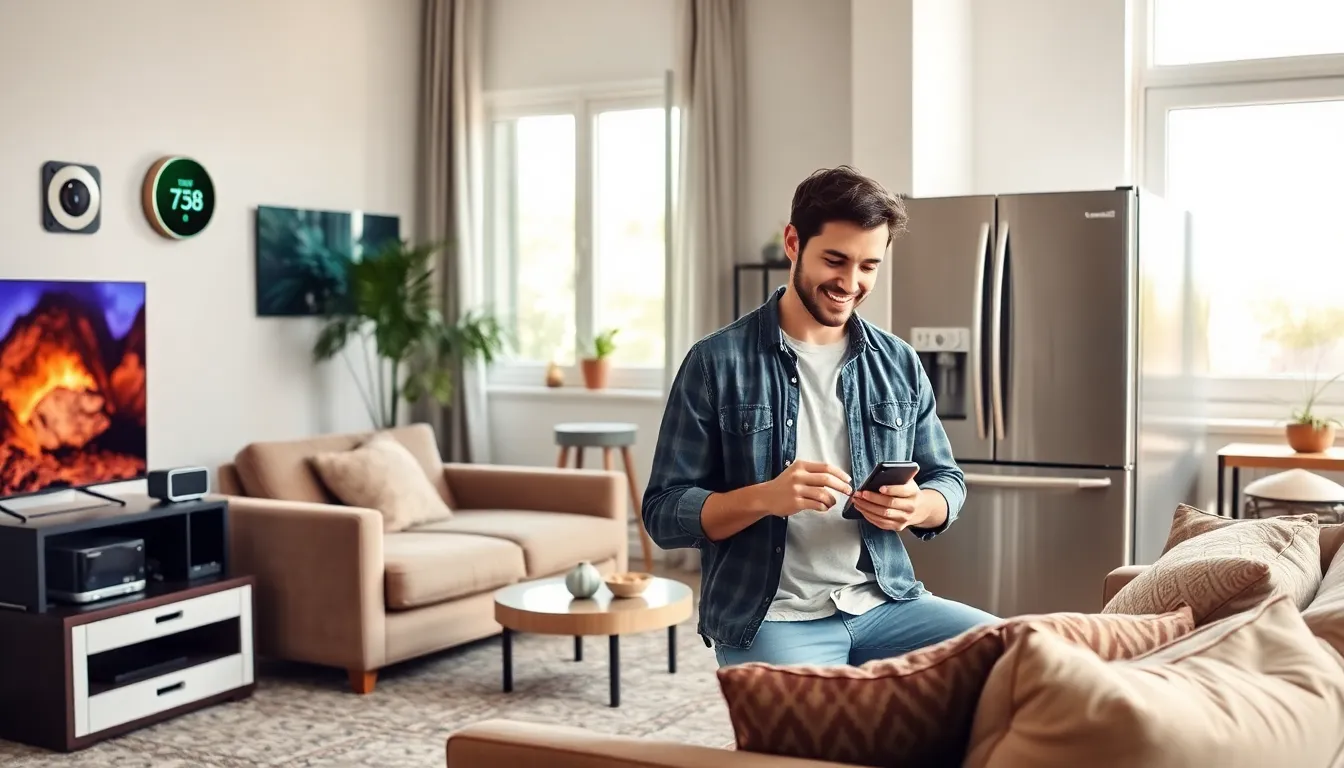
In a world where your fridge can text you about its empty shelves and your thermostat knows just how cozy you like your living room, smart technology isn’t just a trend—it’s a lifestyle. From homes that practically run themselves to gadgets that seem to have a sixth sense, the future is here, and it’s looking pretty snazzy.
Imagine waking up to a coffee maker that knows your caffeine cravings better than your best friend. As smart tech continues to evolve, it’s reshaping how people live, work, and play. Dive into the latest trends that are making life easier and a lot more fun. Whether you’re a tech enthusiast or just someone who appreciates a little convenience, these innovations are bound to spark your interest and maybe even a chuckle or two.
Overview of Smart Technology Trends
Smart technology trends include advancements that enhance daily routines. Automation of home environments occurs through interconnected devices. Home assistants like Amazon Alexa and Google Assistant control systems, providing seamless experiences. Smart thermostats adjust temperatures based on user habits, promoting comfort and energy efficiency.
Health monitoring devices track fitness levels and vital statistics in real-time. Wearable technology, such as smartwatches, provides users with insights into their well-being. Increased focus on data security emphasizes the necessity for robust encryption in these devices. Smart home security systems employ cameras and motion detectors, ensuring safety for families.
Integration of artificial intelligence in appliances enables learning and adaptation to user preferences. For instance, smart refrigerators suggest recipes based on available ingredients. Home entertainment systems utilize AI to curate personalized content recommendations, improving user satisfaction.
Market research shows a growing demand for smart technology in urban areas. 75% of consumers express interest in implementing smart devices in their homes. Sustainability also gains traction, as smart devices help reduce energy consumption and waste. Smart lighting systems adjust based on natural light exposure, further enhancing efficiency.
Emerging trends in smart technology focus on inter-device communication through IoT protocols. Smart devices not only work independently but also collaborate, creating a cohesive smart ecosystem. Voice recognition technology significantly improves usability, enhancing accessibility for all ages.
As the technology landscape evolves, smart solutions increasingly play a pivotal role in shaping the future of living standards.
Key Innovations in Smart Technology
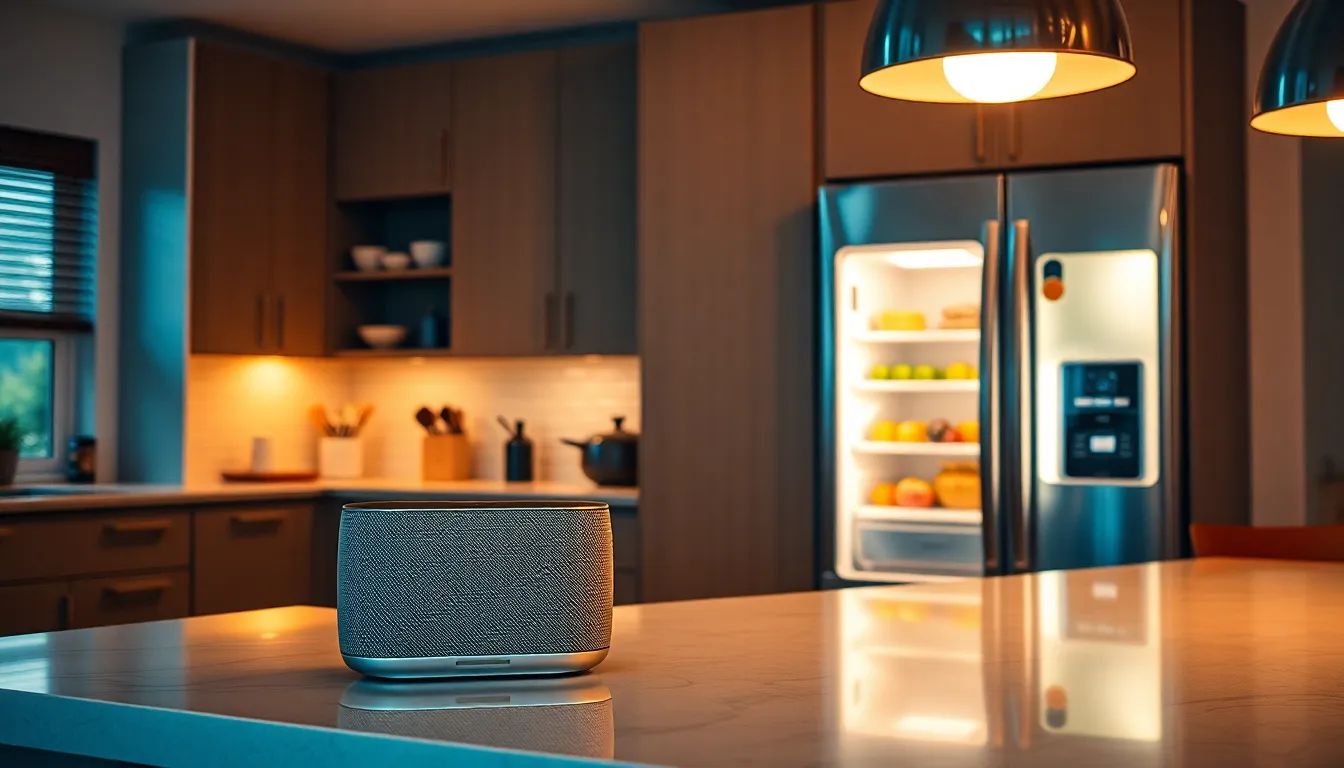
Smart technology is evolving quickly, shaping everyday interactions with devices in profound ways. Innovations focus on enhancing efficiency and user experience.
Artificial Intelligence and Machine Learning
AI and machine learning are driving advancements in smart technology. Devices learn from user habits, promoting personalization and convenience. Smart speakers and home assistants streamline tasks through voice commands, while appliances like refrigerators suggest meals based on ingredients. According to recent studies, 70% of consumers favor AI-enhanced products for their ability to adapt over time. These technologies foster a more intuitive experience, allowing users to rely on devices to meet their needs effortlessly. Developers continue to refine AI algorithms, ensuring smarter responses and greater functionality.
Internet of Things (IoT) Developments
Developments in IoT continue to reshape how devices connect and interact. Interconnected systems enable seamless communication across various platforms, enhancing user control over home environments. Smart lighting and security systems operate in harmony, offering integrated solutions crafted for efficiency. Recent reports indicate that the global IoT market may reach $1.6 trillion by 2025, reflecting the growing demand for connected devices. Enhanced IoT protocols also promote interoperability, making it easier for users to manage different devices through single applications. Innovations in IoT are creating more cohesive living spaces, enhancing comfort and security for families.
Impact on Daily Life
Smart technology significantly influences daily routines, enhancing convenience and efficiency. The integration of these tools transforms how individuals interact with their surroundings.
Smart Homes and Automation
Smart homes capitalize on automation to improve living environments. Devices like smart thermostats adjust temperature preferences based on user habits, promoting energy efficiency. Voice-activated assistants facilitate seamless control over lighting and appliances, allowing users to manage their homes effortlessly. Market research shows that 75% of consumers express a strong interest in smart home devices. This growing demand underscores a shift toward more automated living spaces that enhance comfort and save time.
Wearable Technology Advances
Wearable technology continues to evolve, profoundly impacting personal health and fitness. Devices like fitness trackers monitor vital statistics and encourage active lifestyles. Real-time health data empowers users to make informed decisions about their well-being. Many individuals seek devices that integrate smoothly with smartphones, enabling easy access to information. The preference for AI-enhanced wearable technology is evident, as 70% of consumers value adaptability. Innovations in this field not only track progress but also motivate healthier choices.
Challenges and Considerations
Smart technology, while beneficial, presents challenges that require attention. Addressing these issues ensures a safer and more inclusive user experience.
Privacy and Security Concerns
Privacy and security pose significant challenges in smart technology. Users often share personal data with devices, increasing vulnerability to breaches. Data collected by smart devices, including health information, can be exploited if not properly secured. Robust encryption standards are essential for protecting sensitive data from unauthorized access. Transparency in data usage is vital so consumers can trust how their information is handled. Research shows that 60% of users hesitate to adopt smart devices due to these security fears. Striking a balance between convenience and privacy remains a key consideration for manufacturers.
Accessibility Issues
Accessibility issues also emerge with the rise of smart technology. Devices often require specific technical knowledge, making them less user-friendly for certain demographics, particularly seniors. Incorporating user-friendly interfaces helps bridge this gap. Features like voice commands and simplified remote controls enhance usability for all ages. Studies indicate that 30% of older adults struggle with technology adaptation. Tailoring smart devices for diverse abilities fosters inclusivity and encourages wider adoption. Efforts to improve accessibility directly impact the user experience and promote broader acceptance in households.
Future Predictions for Smart Technology
Smart technology trends are set to redefine daily life in the coming years. Integration of artificial intelligence into devices offers predictions of heightened personalization. Appliances are expected to learn user habits, adjusting settings automatically to enhance comfort. For instance, smart refrigerators will likely suggest meals based on available ingredients, increasing convenience.
Urban areas will continue to drive the demand for smart devices, with 75% of consumers showing interest in incorporating them into their homes. Market projections indicate that the global IoT market could reach $1.6 trillion by 2025, demonstrating a shift towards automated living spaces. Enhanced inter-device communication means that smart home systems will function as cohesive ecosystems, improving overall efficiency.
Consumer health monitoring solutions are expected to gain traction, with wearables increasingly integrated into daily routines. The focus on fitness and well-being will likely drive 70% of consumers to prefer AI-enhanced health devices. Smart bands and watches will not only track physical activity but also monitor vital statistics, promoting healthier lifestyles.
Data privacy will remain a major concern, prompting developers to adopt robust encryption standards. Since 60% of users hesitate to adopt smart devices over security fears, the future of smart technology hinges on building consumer trust. Accessibility issues are also crucial, especially as more seniors seek to embrace technology. Features like intuitive interfaces and voice commands will enhance usability for all age groups.
Innovations in voice recognition will improve the user experience significantly. Predictive analytics will enable devices to act on user preferences before they even express them. As smart technology evolves, its impact on daily life will become even more profound, enhancing comfort, security, and overall well-being.
Smart technology is reshaping the way people live and interact with their environments. As homes become increasingly automated and interconnected, the convenience and comfort offered by these innovations are undeniable. The trends in AI integration and IoT connectivity promise to enhance user experiences while promoting energy efficiency and healthier lifestyles.
However, the challenges surrounding privacy and security cannot be overlooked. As consumers embrace these advancements, the need for trustworthy data protection becomes paramount. The future of smart technology looks bright, with continuous innovations set to elevate everyday living. Embracing these trends will not only improve comfort and safety but also redefine how individuals engage with their homes and health.


