


In a world where stress often feels like an unwanted houseguest, crafting a wellness routine can be the secret weapon everyone needs. Imagine waking up every day feeling like a superhero, ready to conquer the world—minus the spandex, of course. A solid wellness routine isn’t just about kale smoothies and yoga poses; it’s about finding what makes your mind and body sing in harmony.
Understanding Wellness Routine
A wellness routine refers to a personalized set of practices aimed at promoting physical, mental, and emotional well-being. Different aspects contribute to this routine, allowing individuals to feel balanced and empowered.
Definition of Wellness Routine
A wellness routine encompasses activities that enhance overall health. These activities may include exercise, meditation, proper nutrition, and adequate sleep. Each element plays a crucial role in maintaining mental clarity and physical vitality. People can customize their routines based on personal needs, preferences, and lifestyle.
Importance of a Wellness Routine
Establishing a wellness routine offers numerous benefits. It helps alleviate stress, reduces anxiety, and enhances mood. A consistent routine can improve focus and increase productivity. By fostering healthy habits, individuals can achieve long-term health goals. Engaging in these practices allows for greater self-awareness and emotional resilience.
Key Components of a Wellness Routine
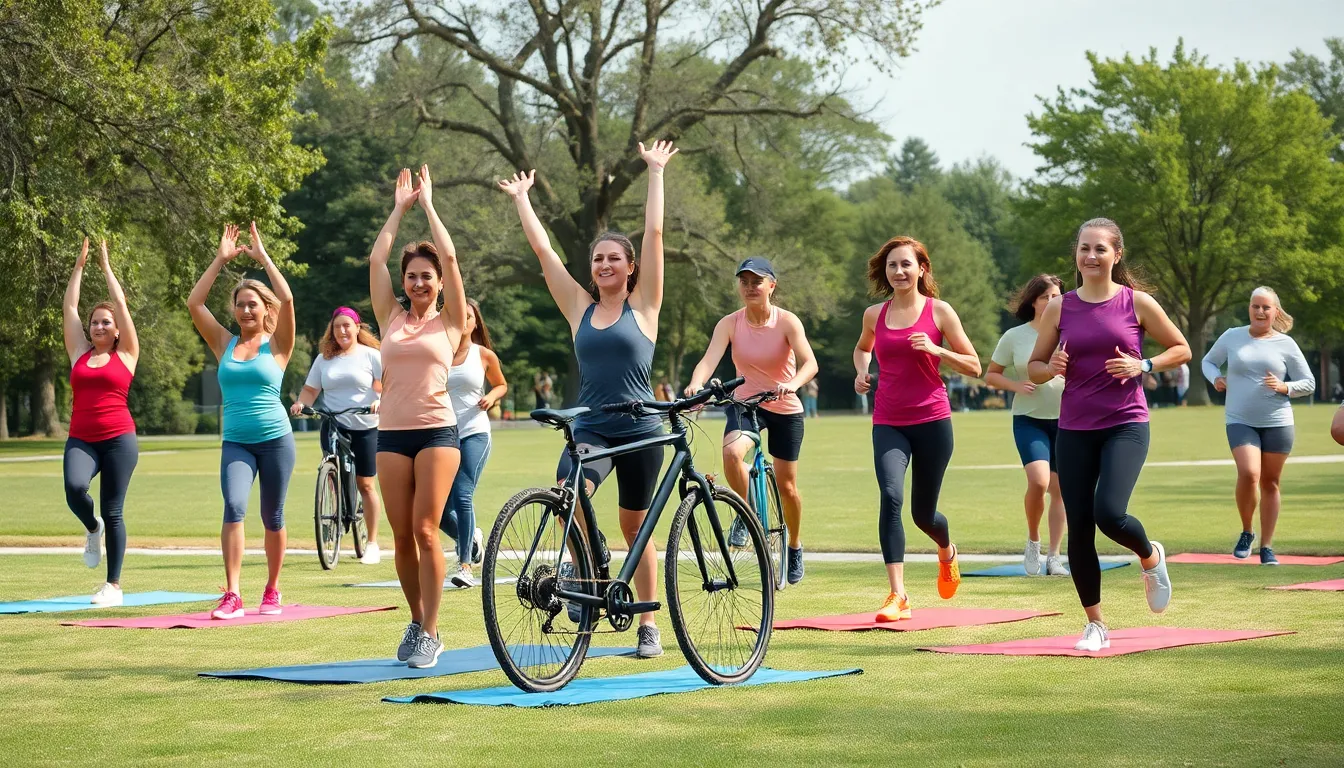

A wellness routine encompasses several essential components that contribute to overall health. Each element harmonizes to create a balanced lifestyle.
Physical Health
Exercise plays a crucial role in maintaining physical health. Engaging in regular activity boosts cardiovascular fitness, strengthens muscles, and enhances endurance. Activities like walking, cycling, or swimming provide numerous benefits. Stretching exercises, such as yoga or Pilates, improve flexibility and reduce tension. Integrating at least 150 minutes of moderate-intensity aerobic activity each week promotes fitness. Individuals can choose activities they enjoy, making it easier to stay consistent.
Mental Well-being
Mental well-being requires intentional practices that support emotional health. Techniques such as mindfulness meditation help reduce stress and anxiety. Regularly practicing deep-breathing exercises enhances relaxation and focus. Building healthy relationships contributes to emotional resilience, allowing for shared experiences and support. Journaling acts as a powerful tool for self-reflection, clarifying thoughts and feelings. Taking breaks from technology fosters a healthier mindset, encouraging presence in daily activities.
Nutritional Balance
Nutritional balance forms a cornerstone of a wellness routine. Consuming a variety of whole foods, including fruits, vegetables, lean proteins, and whole grains, maximizes nutrient intake. Maintaining proper hydration supports overall health, with recommendations suggesting at least eight 8-ounce glasses of water daily. Meal planning aids in making healthier choices, steering clear of processed foods and added sugars. Understanding portion control promotes mindful eating, preventing overeating. Prioritizing nutrient-rich foods enhances both energy levels and mood.
Strategies for Implementing a Wellness Routine
Implementing a wellness routine requires thoughtful strategies that align with personal health goals. These strategies help create a sustainable practice.
Setting Goals
Establishing clear and measurable goals sets the foundation for a successful wellness routine. Define specific objectives, such as exercising three times a week or drinking eight glasses of water daily. Tracking progress fosters accountability and motivation. Setting deadlines for achieving these goals enhances focus. Aim for realistic targets that align with personal lifestyles, ensuring a greater chance of success.
Creating a Schedule
Creating a structured schedule helps incorporate wellness activities into daily life. Allocate specific times for exercise, meal preparation, and mindfulness practices. Consistency enhances habit formation, making it easier to stick to the routine. Use calendars or apps to block time effectively and prevent scheduling conflicts. Prioritize self-care activities by treating them as unmissable appointments.
Staying Motivated
Staying motivated can significantly impact adherence to a wellness routine. Surrounding oneself with supportive friends or joining wellness communities fosters encouragement. Celebrating small milestones reinforces the importance of progress, making participants feel accomplished. Regularly updating goals keeps the routine fresh and engaging. Maintaining variety in activities helps prevent burnout and keeps enthusiasm high.
Common Challenges in Maintaining a Wellness Routine
Maintaining a wellness routine poses several challenges. Below are some common obstacles individuals face.
Time Management
Time management significantly impacts the ability to sustain a wellness routine. Busy schedules often lead to neglecting wellness activities like exercise or meal prep. Effective planning allows individuals to prioritize their routines. Setting appointments in calendars for exercise sessions or mindfulness practices fosters accountability. Individuals may also benefit from finding small pockets of time throughout the day for quick activities. For instance, a 10-minute walk during lunch can enhance physical activity levels. Consequently, integrating wellness practices into daily life improves consistency.
Overcoming Barriers
Overcoming barriers remains crucial to adhering to a wellness routine. Personal motivations may fluctuate due to stressors such as work demands or family responsibilities. Recognizing these barriers enables individuals to devise practical solutions. For example, individuals could adjust their goals when circumstances change, making them more achievable. Maintaining flexibility within a routine encourages progress without added pressure. Ultimately, finding alternative activities in moments of obstacle, like substituting a scheduled run with a home workout, ensures continued motivation.
Seeking Support
Seeking support plays a vital role in maintaining a wellness routine. Friends, family, or wellness communities can provide encouragement, forming a strong support network. Individuals often find motivation in accountability partners who share similar goals. Participating in group classes or online forums fosters connection and motivation. Additionally, sharing progress and challenges with others promotes a sense of belonging. Utilizing resources like wellness coaches or nutritionists can offer specialized guidance tailored to personal needs. Creating a supportive environment strengthens commitment to one’s wellness journey.
Establishing a wellness routine is a powerful step toward enhancing overall well-being. By personalizing activities that resonate with individual needs and lifestyles, anyone can create a balanced approach to health. The journey involves integrating physical exercise, mental practices, and nutritional choices that collectively foster resilience and vitality.
Overcoming challenges and maintaining motivation are essential for long-term success. With thoughtful planning and support from others, individuals can navigate obstacles and remain committed to their wellness goals. Embracing this journey not only improves physical health but also cultivates a deeper sense of self-awareness and emotional strength.


