

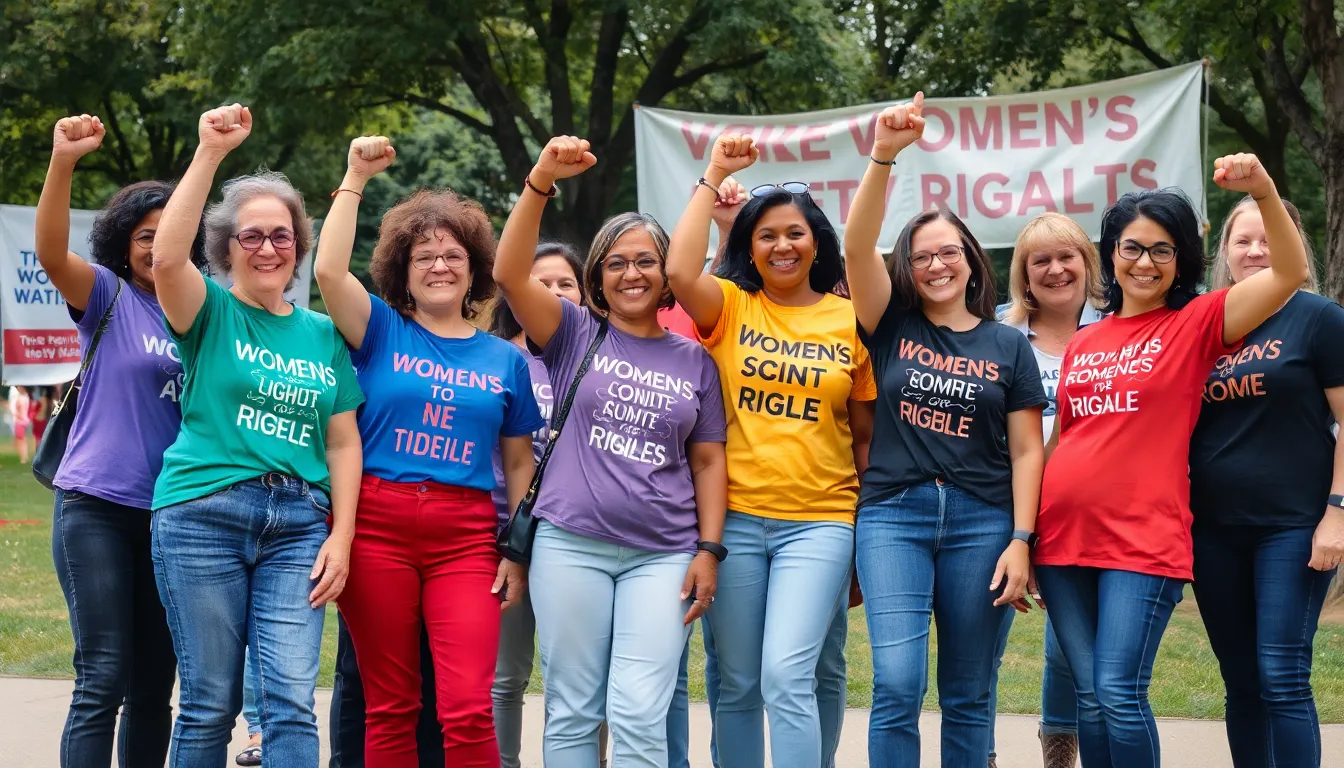
Women’s rights are more than just a topic of conversation; they’re a vital part of our society’s evolution. Imagine a world where half the population isn’t just heard but celebrated. It’s about time we recognize that empowering women isn’t just a nice idea—it’s essential for progress.
From the boardroom to the living room, women have proven they can do it all. Yet, despite their incredible contributions, many still face barriers that seem stuck in the past. It’s a bit like trying to use a flip phone in a smartphone world—outdated and frankly, a little ridiculous.
As we delve into the history, challenges, and triumphs of women’s rights, we’ll uncover why this fight is far from over. Buckle up; it’s going to be an enlightening ride filled with inspiration, laughter, and a call to action that just might change the world.
Overview of Women’s Rights
Women’s rights encompass the equality and freedom of women in various aspects of life. These rights include the right to vote, work, education, and personal autonomy. Historically, women faced significant discrimination and exclusion from these rights. Organizations, movements, and activists have fought for decades to dismantle oppressive structures.
In the late 19th and early 20th centuries, suffragists gained momentum, successfully advocating for women’s voting rights. By 1920, the 19th Amendment granted women the right to vote in the United States. Legal frameworks surrounding women’s rights continued to evolve through the civil rights movements of the 1960s and 1970s. These efforts addressed issues like workplace equality and reproductive rights, leading to landmark legislation such as Title IX and the Equal Pay Act.
Challenges remain, despite noticeable progress. Gender-based violence, wage gaps, and inadequate representation in leadership roles persist. Globally, many nations still deny women fundamental rights. In countries like Afghanistan and Saudi Arabia, systemic barriers restrict women’s freedoms and opportunities.
Women continue to advocate for their rights through various means. Grassroots movements, social media campaigns, and international conferences raise awareness and drive change. Notable figures such as Malala Yousafzai and Ruth Bader Ginsburg inspire many with their relentless pursuit of equality.
As awareness increases, the fight for women’s rights showcases solidarity across cultures. Collective efforts emphasize the need for intersectionality, recognizing the unique challenges faced by women of color and marginalized groups. Progress relies on the commitment of individuals and organizations to uphold and promote women’s rights worldwide.
Historical Context
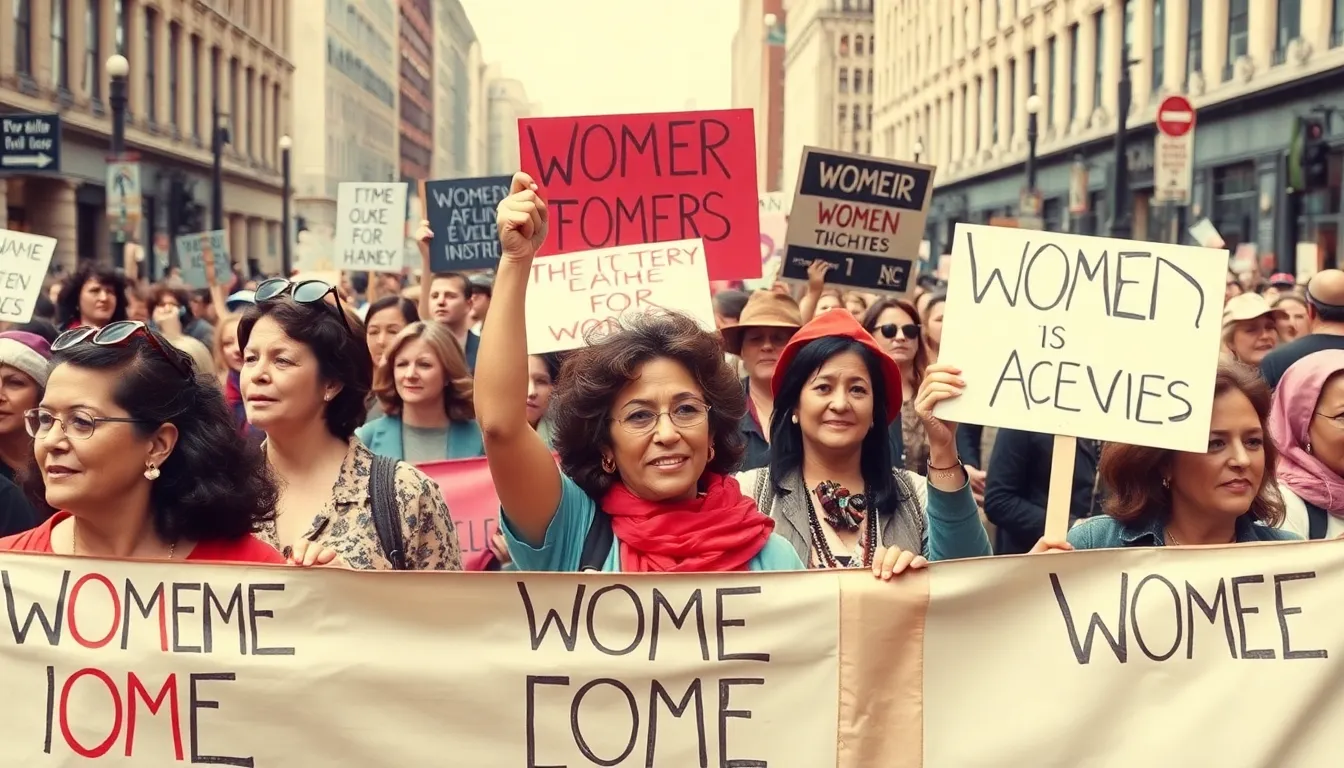
Women’s rights have evolved significantly throughout history, marked by both milestones and challenges. The struggle for equality continues to shape societal progress.
Evolution of Women’s Rights
Women’s rights expanded through various movements focused on equal access to education, employment, and political participation. Early feminists in the 19th century advocated for basic rights, notably suffrage. The late 20th century brought more legal advancements, like the establishment of protective labor laws. Social attitudes shifted as women entered the workforce during World Wars, highlighting their capabilities. Substantial legal frameworks emerged in numerous countries, reflecting increasing recognition of women’s rights as human rights.
Key Milestones in the Movement
Several key milestones defined the women’s rights movement. The Seneca Falls Convention in 1848 marked the first organized effort for women’s suffrage in the United States. In 1920, the 19th Amendment granted women the right to vote, a pivotal victory. The 1963 Equal Pay Act aimed to eliminate gender wage discrimination. Landmark legislation like Title IX in 1972 increased educational opportunities for women. The global adoption of the Beijing Declaration and Platform for Action in 1995 emphasized gender equality worldwide, further cementing women’s rights in public discussions. Each milestone contributed to ongoing advocacy for equal rights and representation.
Current Status of Women’s Rights
Women’s rights remain a critical global issue, with diverse challenges and achievements across different regions. The fight for equality continues to evolve, highlighting both progress and the need for persistent advocacy.
Global Perspectives
Globally, women’s rights vary greatly. In numerous countries, laws support gender equality, yet widespread enforcement gaps hinder progress. Various nations provide women the right to vote, work, and access education, but barriers still exist in regions like the Middle East and parts of Africa. Countries such as Sweden and Rwanda lead in gender representation in government roles, demonstrating successful policies and societal commitment. International agreements, like the Convention on the Elimination of All Forms of Discrimination Against Women, encourage nations to prioritize women’s rights, yet compliance remains inconsistent.
Ongoing Challenges
Challenges for women persist worldwide. Gender-based violence affects millions, with one in three women experiencing some form of abuse in their lifetime. Wage gaps contribute to economic disparities, with women earning approximately 84 cents for every dollar earned by men in the U.S. Representation in leadership roles often falls short; women hold only 28% of managerial positions globally. Many women face barriers to reproductive health services, limiting autonomy. Grassroots movements advocate for change, yet systemic inequalities continue to hinder women’s rights advancements in many societies.
Notable Organizations Advocating for Women’s Rights
Numerous organizations work relentlessly to champion women’s rights. These groups focus on diverse aspects of gender equality, ranging from grassroots activism to global policy advocacy.
Grassroots Movements
Grassroots movements actively engage communities to address local women’s issues. Feminist collectives often empower women through education and awareness programs. Many initiatives focus on violence prevention, economic empowerment, and reproductive health. Organizations such as the Women’s March advocate for socio-political change and mobilize public support. Local-based activism helps forge connections amongst women, fostering solidarity. Additionally, activists in various regions collaborate to raise awareness about issues affecting marginalized groups. Creating safe spaces enables women to voice their concerns and share their experiences.
International Bodies
International bodies play a crucial role in advancing women’s rights globally. Entities like the United Nations promote gender equality through various initiatives. The UN Women initiative focuses specifically on protecting women’s rights and empowering them socially and economically. International campaigns raise awareness about gender-based violence and advocate for legislative changes. Organizations like Amnesty International and Human Rights Watch report on women’s rights violations worldwide, pushing for accountability. Collaboration between governments, non-profits, and international organizations strengthens the global fight for women’s rights. Their collective efforts help cultivate an environment that supports women’s full participation in society.
Women’s rights are essential for a just and equitable society. The ongoing struggle for equality requires a collective effort to dismantle outdated barriers and promote inclusive policies. As individuals and organizations continue to advocate for change, it’s crucial to recognize and support the diverse voices within the movement.
Empowering women is not just a moral imperative but a catalyst for societal progress. By fostering collaboration across various sectors, communities can create a more equitable future. The journey toward full gender equality is far from over, and sustained commitment is necessary to ensure that women’s rights are upheld and celebrated worldwide.


